- Linear B translated: PY Fn 7Today’s tablet is PY Fn 7, joined from a set of previously unconnected fragments by Jose Melena (Minos 31, 1996-1997): Fn 7 (Hand 3) .1 ]2 OLIV T 2.2 ] OLIV T 1.3 to-]ko-do-mo HORD [ ]Z 3 VIR 20[.4 pi-ri-e-te-re HORD []Z 3 VIR 5.5 pa-te-ko-to[ ]HORD[ ]V 2 [ ].6 vacat.7 qa-ra2-te … Continue reading Linear B translated: PY Fn 7
- Linear B translated: PY Cn 608This is the first post of a series of translations of Linear B tablets. I’m asked every so often where to find good translations of Linear B tablets online, and the answer is, there isn’t such a place. I complain every so often (and on this very blog) about the lack of outreach on the part of the subdiscipline of Linear B studies, so maybe I should do something about it… so I’m going to try to regularly post transcriptions and translations of Linear B tablets here. Because it’s the start of the semester and I don’t have loads of time, … Continue reading Linear B translated: PY Cn 608
- Post-periphery
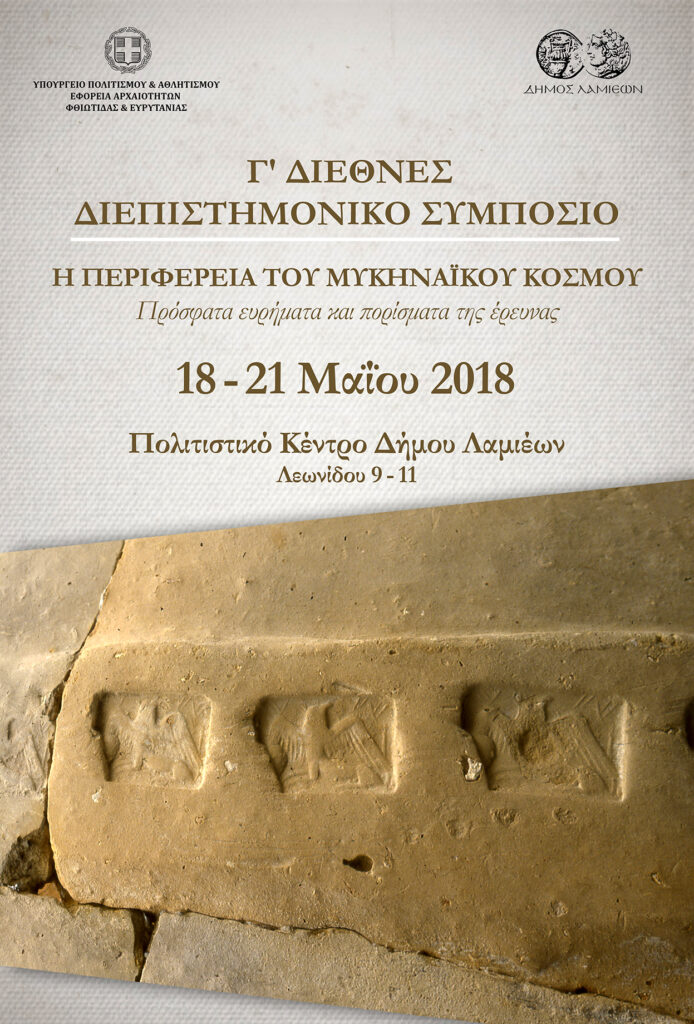 I just got back to Athens from the 3rd International Symposium on the Periphery of the Mycenaean World. It was an exciting and demanding conference: there were 60 talks over three days. Most days started at 9 am and didn’t finish before 8 pm. So today I’m exhausted and sleep-deprived, and my head is spinning with new information and new ideas. My observations on the whole event are: Here’s the text of the paper that I delivered: «άγνωστος λησμονημένος απ’όλους»? Why the “periphery” should be central to Mycenaean studies Dimitri Nakassis, University of Colorado Boulder From the very beginning of … Continue reading Post-periphery
- Some thoughts about Reed’s humanities course
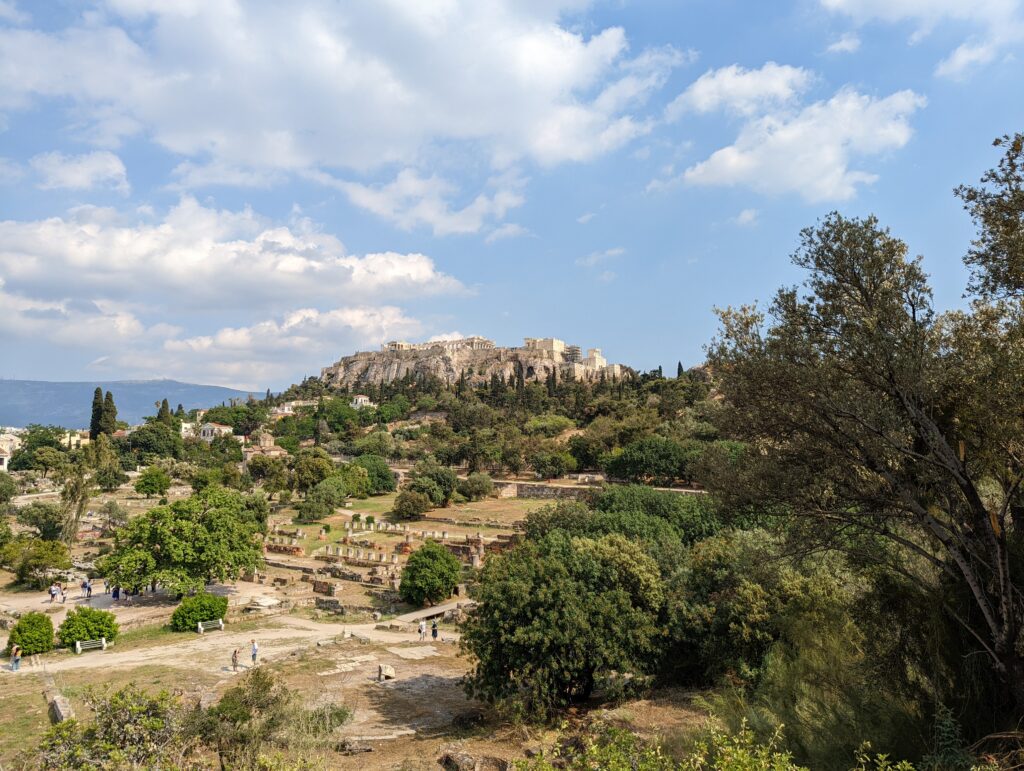 Louis MacNeice, Autumn Journal Part IX (1939) The Glory that was Greece: put it in a syllabus, grade itPage by pageTo train the mind or even to point a moralFor the present age:Models of logic and lucidity, dignity, sanity,The golden mean between opposing ills…But I can do nothing so useful or so simple;These dead are deadAnd when I should remember the paragons of HellasI think insteadOf the crooks, the adventurers, the opportunists,The careless athletes and the fancy boys,The hair-splitters, the pedants, the hard-boiled scepticsAnd the Agora and the noiseOf the demagogues and the quacks; and the women pouringLibations over gravesAnd the trimmers … Continue reading Some thoughts about Reed’s humanities course
- PeripheriesIn less than ten days (!) I’m giving the first paper at the 3rd international conference dedicated to the periphery of the Mycenaean world: I haven’t finished writing my paper, but I’ve got some time, including two days exclusively set aside to write in Karpenisi (my grandmother’s home town) before I drive to the conference in Lamia. In the meantime, here’s the title and abstract that I submitted to the conference organizers: «άγνωστος λησμονημένος απ’όλους»? Why the “periphery” should be central to Mycenaean studies This paper argues on theoretical and empirical grounds that our understanding of the Mycenaean world is … Continue reading Peripheries
- The academic book reviewAcademic book reviews are tricky things. Authors – or this author, at least – are nervous about how their work will be reviewed. For those writing the reviews: it’s hard work, and reviews aren’t especially valued by the profession. Young scholars are advised, correctly I think, to avoid writing reviews for precisely these reasons. People can also be sensitive – a friend of mine got a nasty e-mail from an author for writing what seemed to me a totally reasonable book review – and so there can be a real downside to writing reviews, especially critical ones. Because I’m not very … Continue reading The academic book review
- Field archaeology & sexual harassment
 Field archaeology has a sexual harassment problem. Everybody knows this, at least anecdotally; we’ve all seen, experienced, and/or heard about it. It’s especially problematic in a field that is numerically dominated by women but where many of the directorial staff are men. It’s scandalous that this is the case, and it’s scandalous that our institutions seem to be doing nothing about it. A recent article in American Anthropologist about this problem, “Signaling Safety: Characterizing Fieldwork Experiences and Their Implications for Career Trajectories,” suggests some ways forward. They find that sexual harassment and assault are systemic problems in fieldwork (not specifically, but including, … Continue reading Field archaeology & sexual harassment
- Big book, big evil
 When James Scott publishes a book, I buy it; I’ve learned a lot from his earlier work, especially Domination and the Arts of Resistance (Yale, 1990) and Seeing Like a State (Yale, 1997), and I’ve also learned a lot from the critical responses to these works (like this 1990 article in American Ethnologist by Lila Abu-Lughod). Scott’s most recent book is entitled Against the Grain: A Deep History of the Earliest States (Yale, 2017), and I was excited to get it, because most of my research is also about early states, albeit a small group of early states that are, in the grand scheme of things, small potatoes. Nevertheless, I was happy … Continue reading Big book, big evil
- Academic family trees
 One of the side projects that I’m never going to do anything with, probably, is a social network of Aegean prehistory. One of the first things I became aware of when I got serious about archaeology were academic family trees. In archaeology these connections can be very important, and talked about a lot, but the orientation of the discipline to research in the field, and especially to large field projects, means that doctoral supervisors may not be as important as in disciplines where research primarily takes place in the library. One of the side benefits of doing this project would … Continue reading Academic family trees
- On “the classical debt”
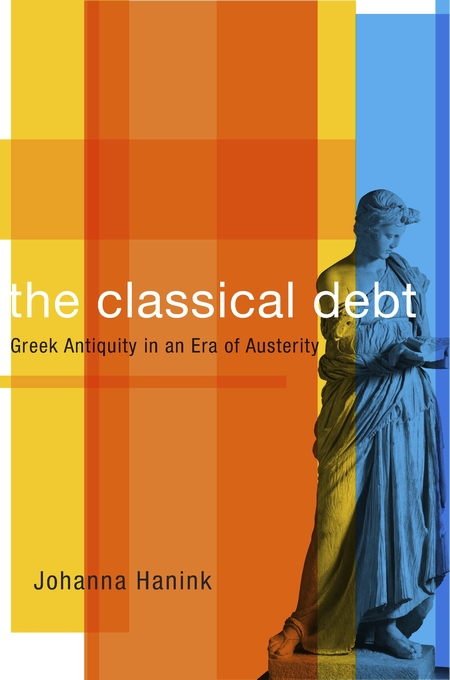 I was once describing to a non-archaeologist Hellenist colleague and friend how archaeology works in Greece. In the course of that discussion I mentioned in passing that the directors of regional archaeological offices are called “ephors” (Greek έφορος). “Really?” she asked, before exclaiming, “How cute!” I didn’t say anything, but privately I was annoyed at the remark. I guess that it is kind of neat for a Classicist, who naturally associates ephors with ancient Sparta… but is it really so remarkable that the word for “supervisor” in Greek (ancient) is also the word for “supervisor” in Greek (modern)? There are two ways that I think … Continue reading On “the classical debt”
- On genetics and the Aegean Bronze Age
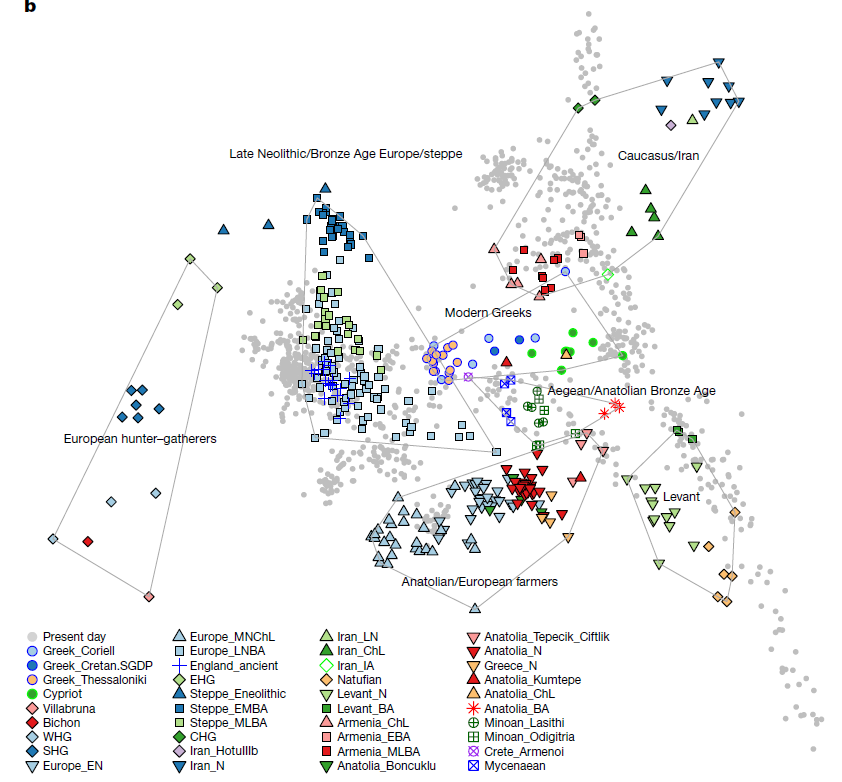 Today Nature published an article entitled “Genetic origins of the Minoans and Mycenaeans“; it already seems to be circulating through the media (e.g., here, here, and here). I managed to get a hold of the article and thought that a quick response was in order. Some caveats: I’m an archaeologist and Linear B specialist, not a geneticist at all, so I’m going to assume that the genetics side of the article isn’t problematic. I’ll just be responding as an archaeologist who’s interested in the results and their analysis. First, there’s not much new here. I mean, the data are new, but the conclusions are largely … Continue reading On genetics and the Aegean Bronze Age
- Tools of the Mycenological Trade, 2017
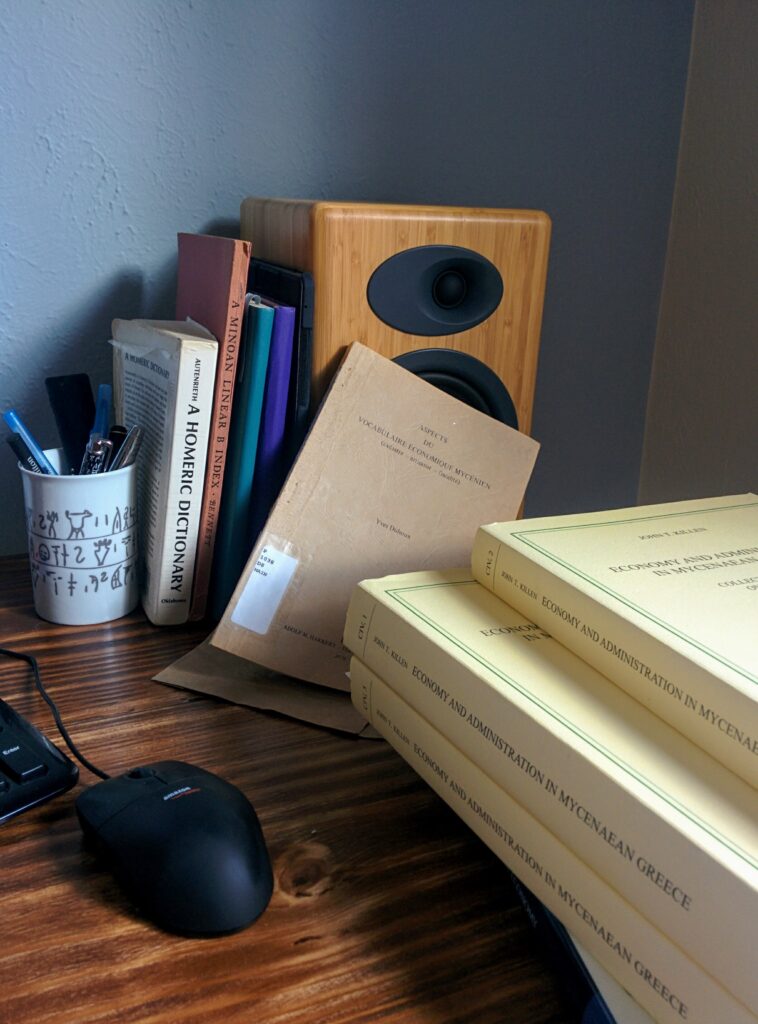 When I started working on Linear B in graduate school (late 90s), there were a handful of books (beyond corpora of texts) that I always kept on my desk for consultation: What a difference in 2017. I’m working on a paper about Mycenaean “taxation” (really more like extractive regimes) and although I do have my Aura Jorro handy, as well as Docs2, I am leaning on a new set of super useful texts: P.S. What do you listen to when you’re working on Mycenaean taxation? If you’re me, it’s Bob Marley and the Wailers pretty much all the time. For some … Continue reading Tools of the Mycenological Trade, 2017
- My summer “vacation”
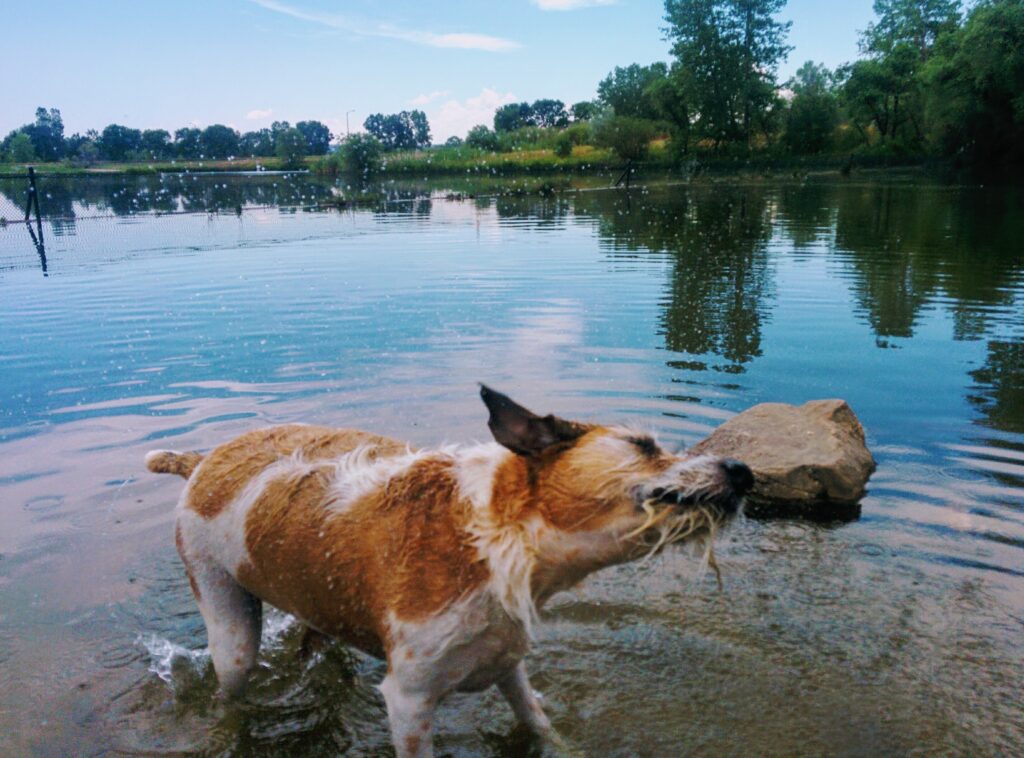 This blog post is an expansion of an article by Mary Beard in the TLS, where she is responding to Andrew Adonis’ accusation that academics have 3 months of holiday in the summer, basically for no good reason. Not that it’s necessary, but perhaps I can add to the discussion a little bit by piling on. So what am I doing with my “3 mth summer holiday“? (1) Six weeks in Greece working on two projects, one in the field and one in the museum, during which time I had not one day off. I literally went to the beach zero times, … Continue reading My summer “vacation”
- Slow archaeology & the prestige economy
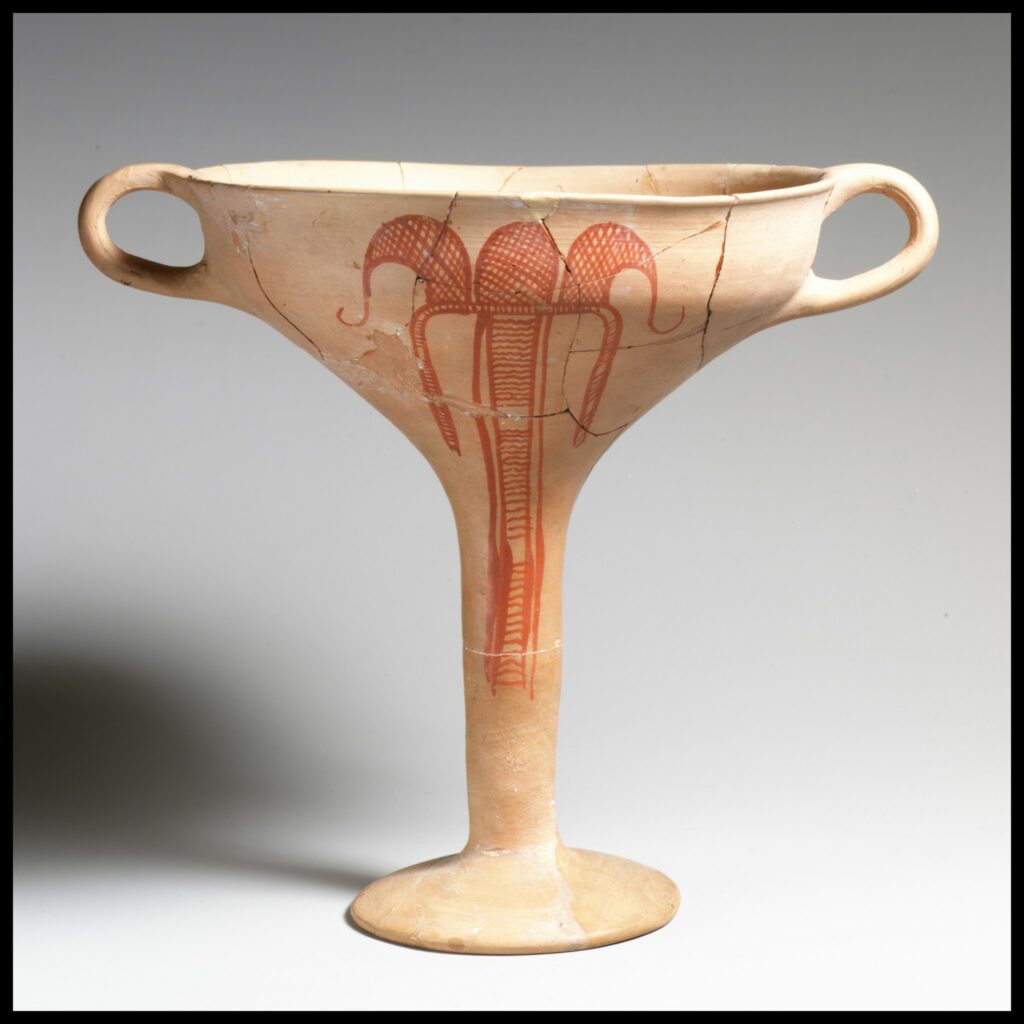 This blog post is a response to two other blog posts. First, Andre Costopoulos wrote a post entitled “The traditional prestige economy of archaeology is preventing its emergence as an open science.” Here is his argument, broken down into outline: Young archaeologists have, naturally, been pushing hard for the opening of databases and for the sharing of raw materials. Recognition by peers for mastery of these is coin of the realm. With some notable exceptions, their senior colleagues have been less eager to open up the vaults. Whether they consciously realize it or not, the sharing of information is a threat … Continue reading Slow archaeology & the prestige economy
- On Greek being Greek
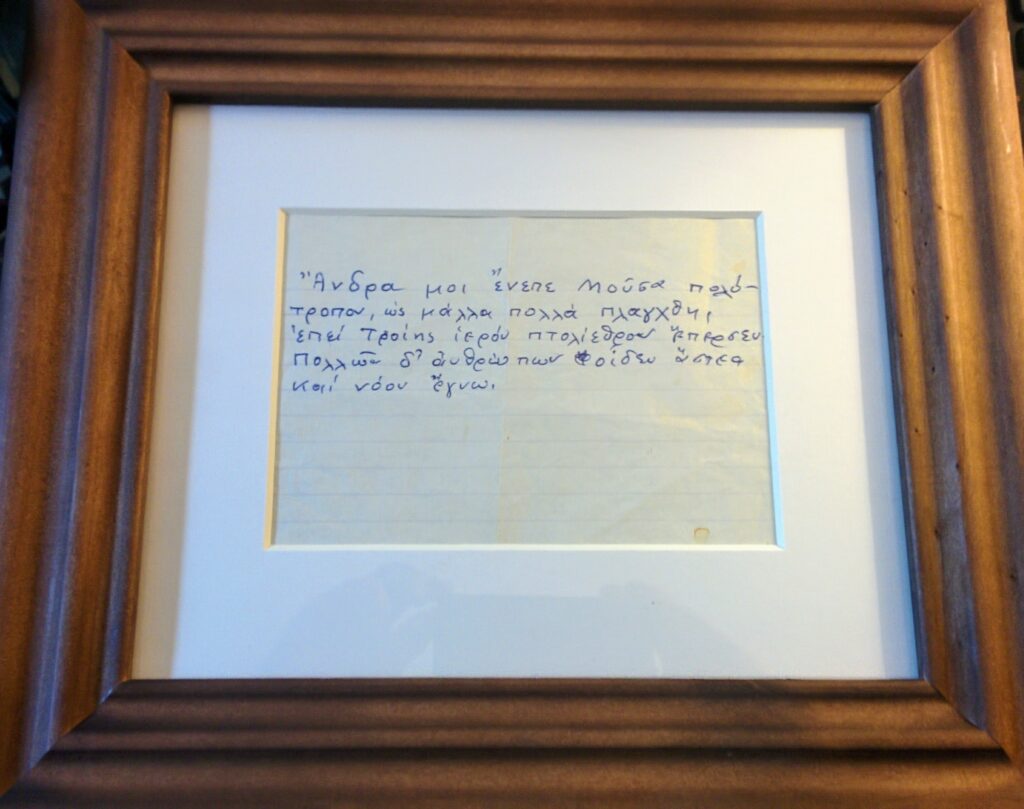 My grandfather wrote this out for me from memory in the summer of 1990, the summer before I turned 15. (He would have said before I turned 16; we had endless arguments about inclusive counting). He must have written it in the village of Καλό Νερό in Messenia, where I, my cousin Angelos and my grandparents were vacationing. He had written it out for me because we had taken the old train to Κακόβατος for the day to go for a swim and a bite to eat (neither of my Greek grandparents knew how to drive). As we were waiting for the train to … Continue reading On Greek being Greek
- Looking back with Blegen
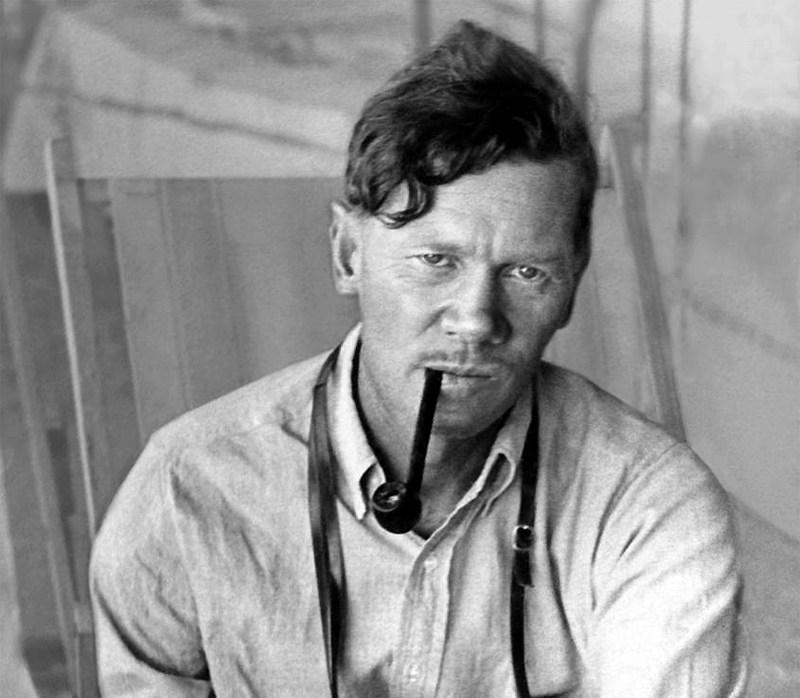 I’m currently reading Carl Blegen’s “Preclassical Greece,” published in 1941 in Studies in the Arts and Architecture, based on a lecture given at the bicentennial conference of the University of Pennsylvania. It’s a really interesting read. Looking backward Some of Blegen’s lecture is – and we shouldn’t be surprised here – dated. For instance, he writes that “the peculiar Hellenic alloy is a complex blend of metal fused together from many elements” (7), meaning peoples: “there is reason to believe that on each occasion when a fresh culture prevailed a considerable body of the earlier racial element survived…” (7). Blegen conflates language, technology … Continue reading Looking back with Blegen
- A final archaeological future
 I just got back from a long trip to Northampton, Williamstown, Oberlin, and Cleveland. The trip began with a talk entitled “Doing archaeology in a digital age: challenges and opportunities” at Smith College’s The Futures of Classical Antiquity. I gained a lot from my interactions with colleagues on social media and from the blog posts that friends wrote in response to my blogging on the topic (see, e.g., Bill Caraher’s post on professionalization). Here’s the talk as I gave it, with some minor annotations and some links to references: — “Archaeology is at an exciting juncture” (Atalay 2012: 1). This is true … Continue reading A final archaeological future
- Archaeological futures III
 [This post is a continuation of two other blog posts: part one and part two.] I think that a basic structure of the talk I’m giving at Smith College is coming into shape. I’ll start with a brief description of the accelerating sophistication of archaeological methods since I began as a student in the mid-1990s, focusing first on the proliferation of archaeological sciences and their integration into Mediterranean archaeology and the proliferation of data produced by archaeological projects. (I’ll hopefully use data from Corinth Excavations to get a quantitative sense of the increase in data produced). This leads to the issue of data and digitization. … Continue reading Archaeological futures III
- Archaeological futures, part II
 At the end of my last blog post, I worried that my take had been too pessimistic and negative. The point of the symposium I’m speaking at isn’t only, I hope, to spread gloom and doom but to talk about the future of our discipline(s). To do that, I think some historical context is necessary. (I should note that I’ve been helped in my thinking by many friends on Facebook especially, including two friends who blogged about this: Bill Caraher and Jim Newhard. You should read their posts). I don’t think that anyone can deny that the sophistication of archaeological methods has exploded in the past generation. … Continue reading Archaeological futures, part II
- Thinking archaeological futures
 In just over three weeks, I’m giving a paper at a one-day symposium at Smith College entitled “The Futures of Classical Antiquity” (link). I’m the lone archaeologist: the other speakers are dealing with digital approaches to texts, public humanities, reception studies, and race & ethnicity. I’ve thought very informally about the kinds of things that I want to say but I need to start disciplining my unconnected thoughts into something more coherent, especially since I only have 40 minutes. This is all still very rough indeed, and more of a rant than a talk, but here are some things that … Continue reading Thinking archaeological futures
- “Data” and interpretation in the humanities
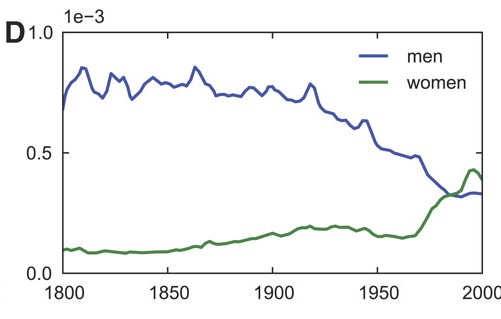 Last night Miriam Posner gave an interesting talk in the “Exploring Digital Humanities” series at the University of Colorado Boulder that explored the unease that humanists often feel when their materials are described and treated as “data.” The creation of data requires careful categorization so that the materials in question can be counted and queried, but really good scholarship in the humanities, she pointed out, seeks to break received categories. Certainly this has been how I’ve understood my own work – as a sustained attack on the binaries that structure the study of the Bronze Age – but I nevertheless found that I didn’t … Continue reading “Data” and interpretation in the humanities
- “They walk”
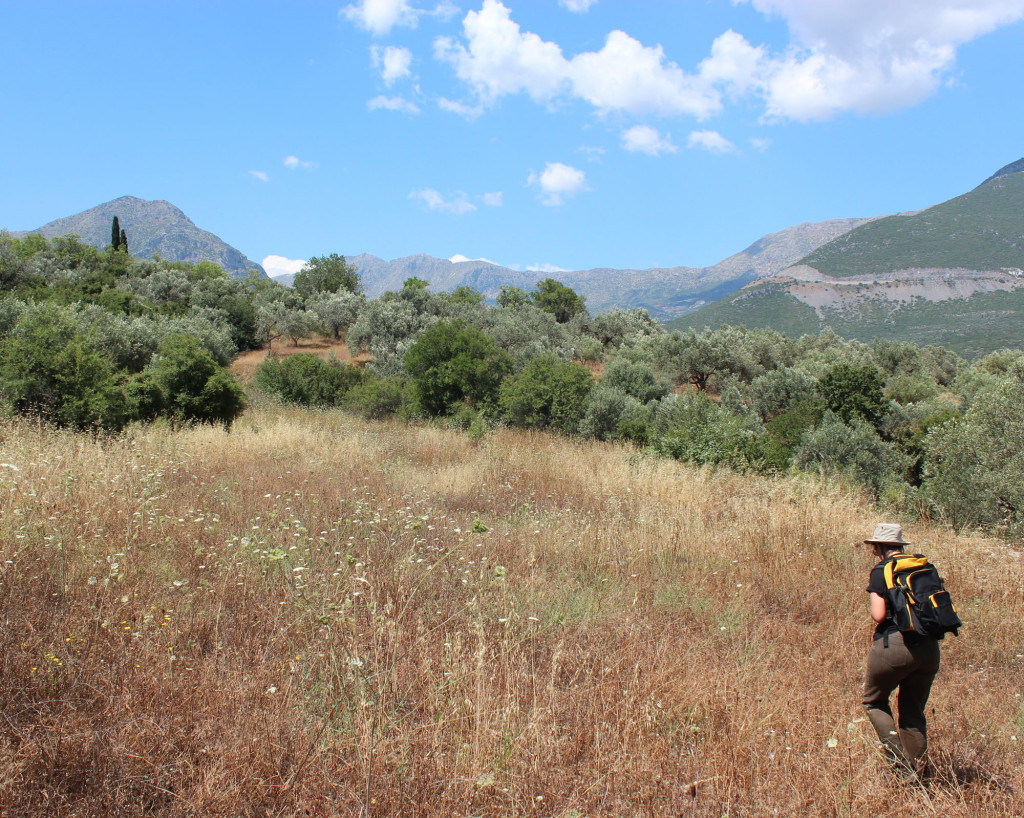 In my last blog post, I argued that our faith in technology in archaeology was – or could be – a problem, since there was no magical technological bullet that could solve our interpretive dilemmas. That was a reaction to the excessive (to my mind) criticism of GIS that I’ve seen in archaeological literature. The flip side to this problem would be the overstating of the value of new technologies. Here too, I think that the same article by Elaine Sullivan provides an example of what I’m talking about. In what is a balanced and nuanced discussion, Sullivan claims that by utilizing a 4D model … Continue reading “They walk”
- There is no magic bullet
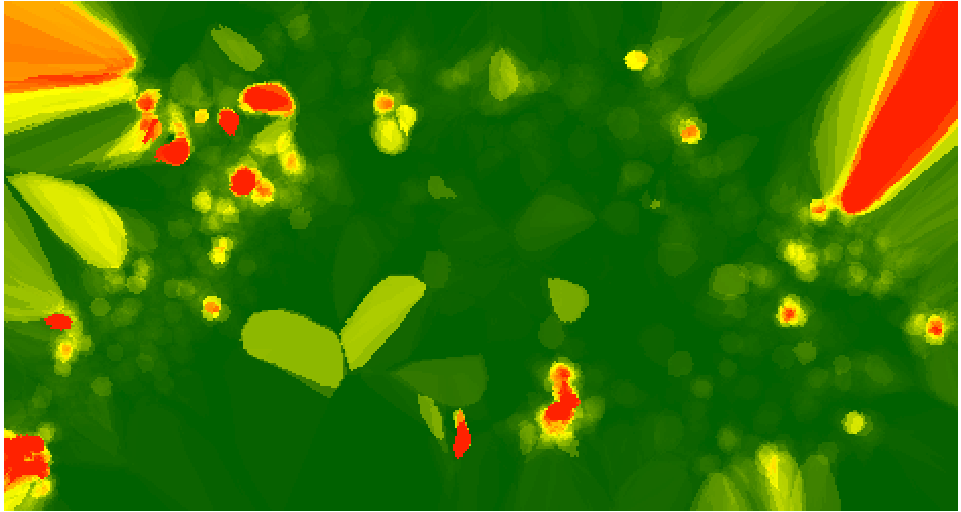 he most recent issue of the Bulletin of the Institute of Classical Studies has a great little cluster of three articles about digital approaches to the Mediterranean world that I read over the last couple of days with great interest. I was particularly interested in Elaine Sullivan’s advocacy for 4D GIS visualizations, which, she argues, “afford new potential for the examination of now-altered ancient landscapes from a human viewpoint, specifically for exploring aspects of experience that changed through time and space” (71). I don’t know nearly enough about Egyptian archaeology to evaluate Sullivan’s paper as a contribution to that field; I’m more interested … Continue reading There is no magic bullet
- New Year’s resolutions
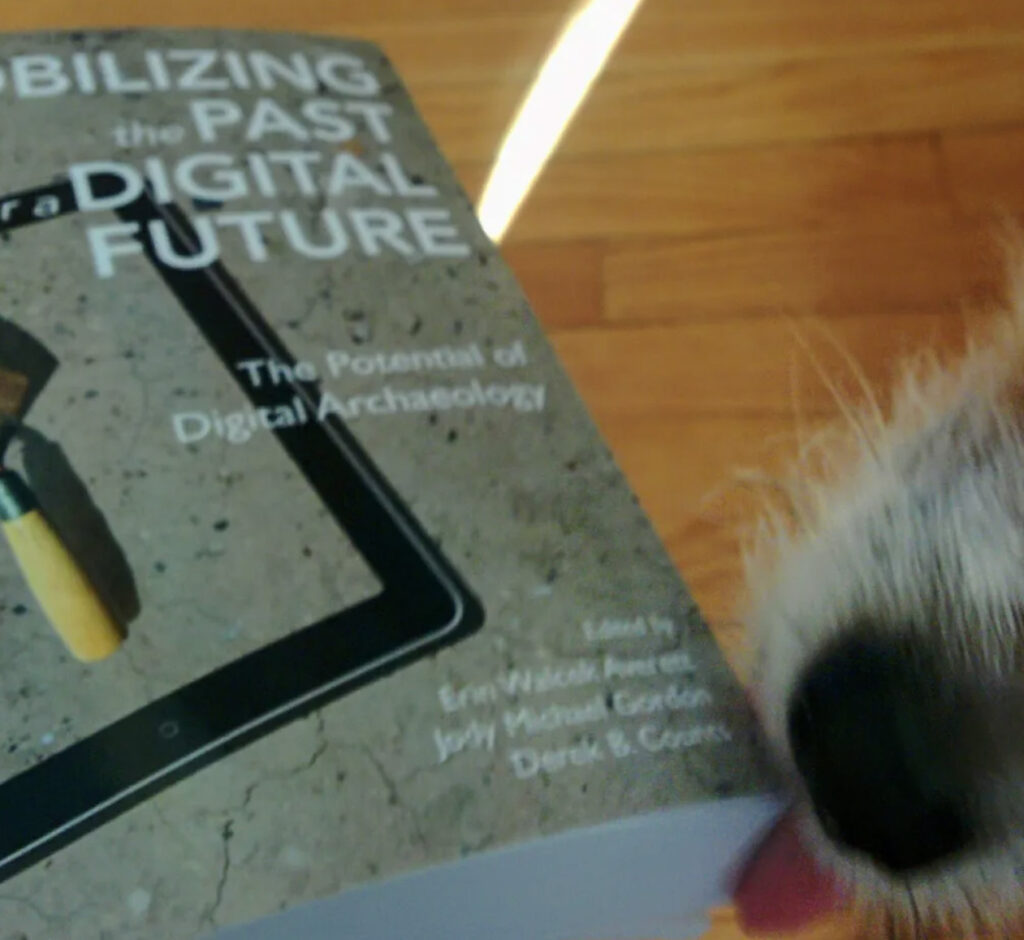 This past semester has been a transition. I started a new job at the University of Colorado Boulder in the Classics department. I acted (and am acting until the end of the academic year) as director of graduate studies, I taught a new and challenging class (even if it involved very familiar material), and got used to operating in a new administrative and educational environment. My family also had health problems that made it hard to think about much besides keeping ourselves alive and our heads above water. My New Year’s resolution, then, is get back to basics: to read … Continue reading New Year’s resolutions
- A network analysis of the AIA’s 2017 meeting
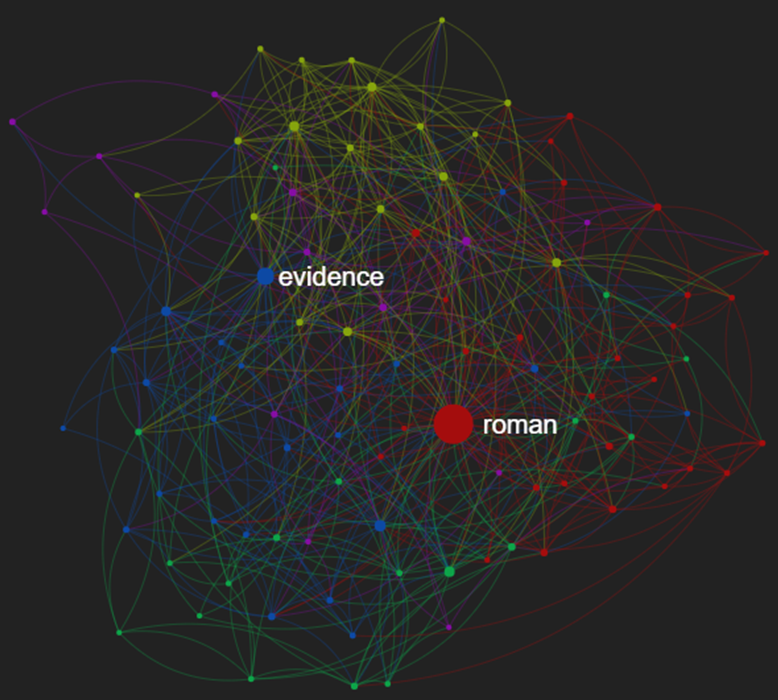 As a follow up on my last post, in which I made a word cloud from the paper and poster titles of the 2017 annual meeting of the Archaeological Institute of America, I thought it would be neat to run a (simple, because I have no idea what I’m doing) network analysis on the same data set. Well, almost the same data set: I removed all the articles and prepositions, punctuation, numbers and things like the “IA” of “LM IA.” Some of the titles look really fun without any of the connecting words, actually. I inputted this cleaned-up text file into http://textexture.com/ and here … Continue reading A network analysis of the AIA’s 2017 meeting
- A word cloud of the AIA’s 2017 annual meeting
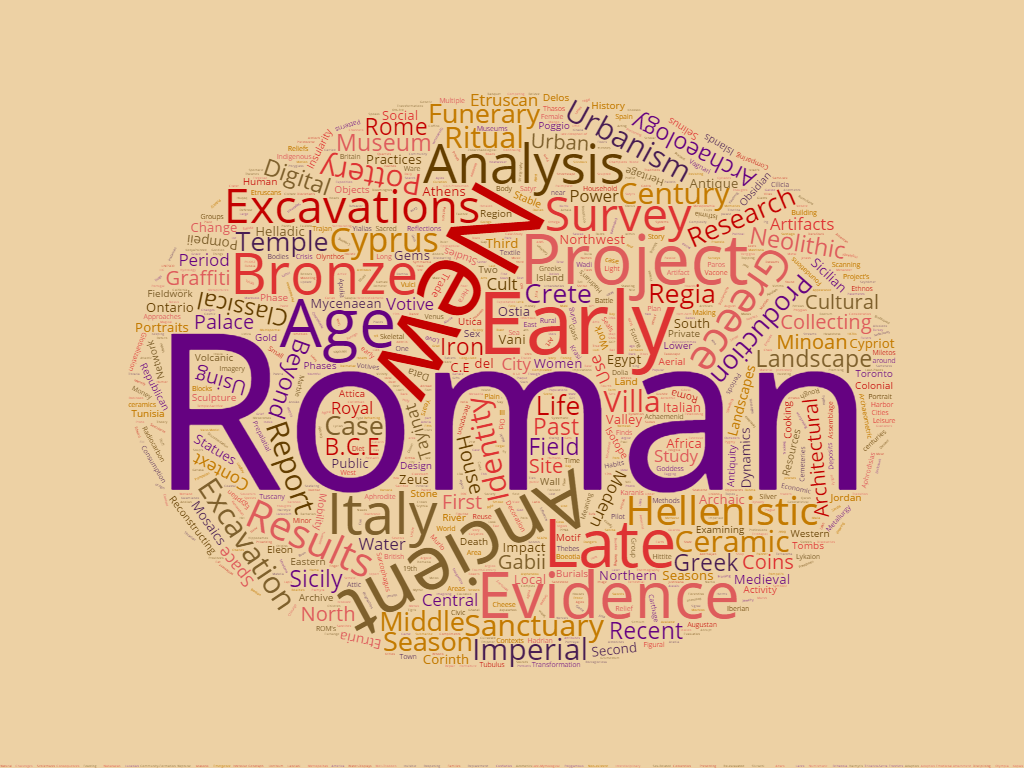 Steve Ellis suggested in a Facebook comment that someone should do a word cloud of the preliminary program of the 2017 annual meeting of the Archaeological Institute of America, released just this week. In a free moment I deleted everything from the preliminary schedule except for the titles, and this was the result:
- Against the universal museum
 or some time now, I’ve been fairly suspicious of arguments for the universal museum (the museums themselves I have no problems with). There has been some momentum in this area: James Cuno has been banging the drum for some time now, and he’s been joined recently by Tiffany Jenkins. The latter author’s work has been especially visible lately, both in articles written for the popular press and in reviews of her published book, most recently in the Wall Street Journal. The argument, distilled down, goes something like this (this is taken from the summary of Cuno’s book linked above): “Antiquities,” James Cuno argues, “are the cultural property … Continue reading Against the universal museum
- Arthur Evans on “The Eastern Question in Anthropology”
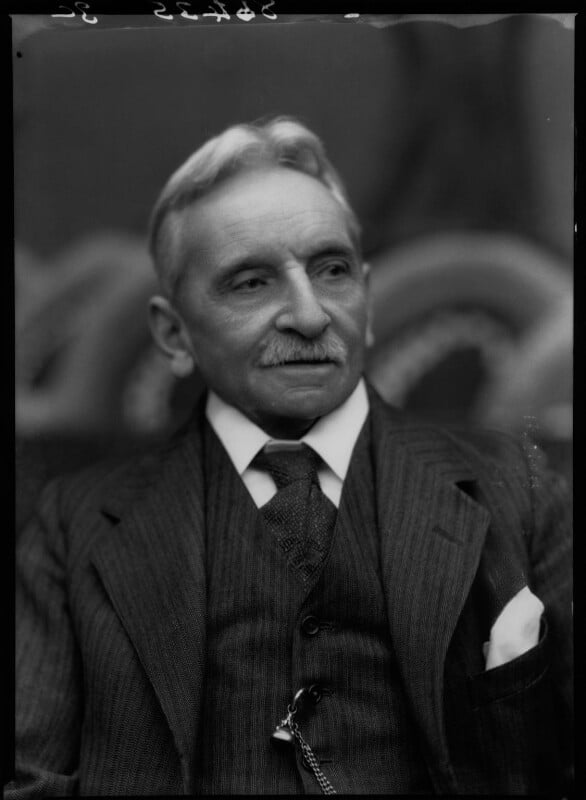 “Mycenaean culture was permeated by Oriental elements, but never subdued by them. This independent quality would alone be sufficient to fix its original birthplace in an area removed from immediate continguity with that of the older civilisations of Egypt and Babylonia. The Aegean island world answers admirable to the conditions of the case. It is near, yet sufficiently removed, combining maritime access with insular security. We see the difference if we compare the civilization of the Hittites of Anatolia and Northern Syria, in some respects so closely parallel with that of Mycenae. The native elements were there cramped and trammelled … Continue reading Arthur Evans on “The Eastern Question in Anthropology”
- Athens
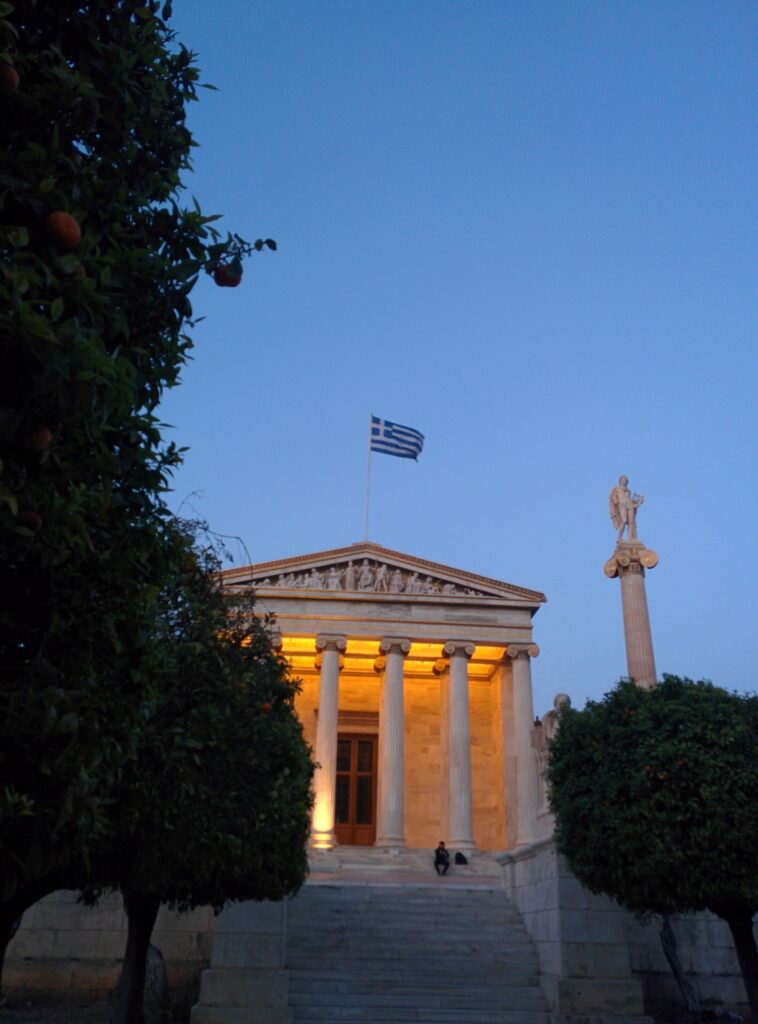 Athens is an amazing place of contrasts. It’s a real center of intellectual activity and talent from all over the world. I’ve never attended talks packed with as much academic firepower as I have in Athens (which is a terrifying thought; I’ve given two talks here in the past couple of months!) and there’s no place in the world with this density of archaeological institutions: all the foreign schools, the University of Athens, the Archaeological Society, the National Museum, and so on. There are multiple talks, every. Single. Night. Besides the foreign schools, there are seminars devoted to every single chronological … Continue reading Athens
- My sabbatical II: Old skool
 Since the new year, my sabbatical has changed gears significantly. I’m currently based in the most old skool of old schools: the American School of Classical Studies at Athens. My daily routine now revolves around the Blegen Library and Loring Hall in a way that it’s only done in 2003-4, my regular member year. Regular membership is something that was considered de rigeur in my graduate program at the University of Texas at Austin and my regular year was a formative experience for my professional career and personal life. I’ve found it really fun and productive to work in a carrel in a non-circulating library, … Continue reading My sabbatical II: Old skool
- My grand challenges for archaeology
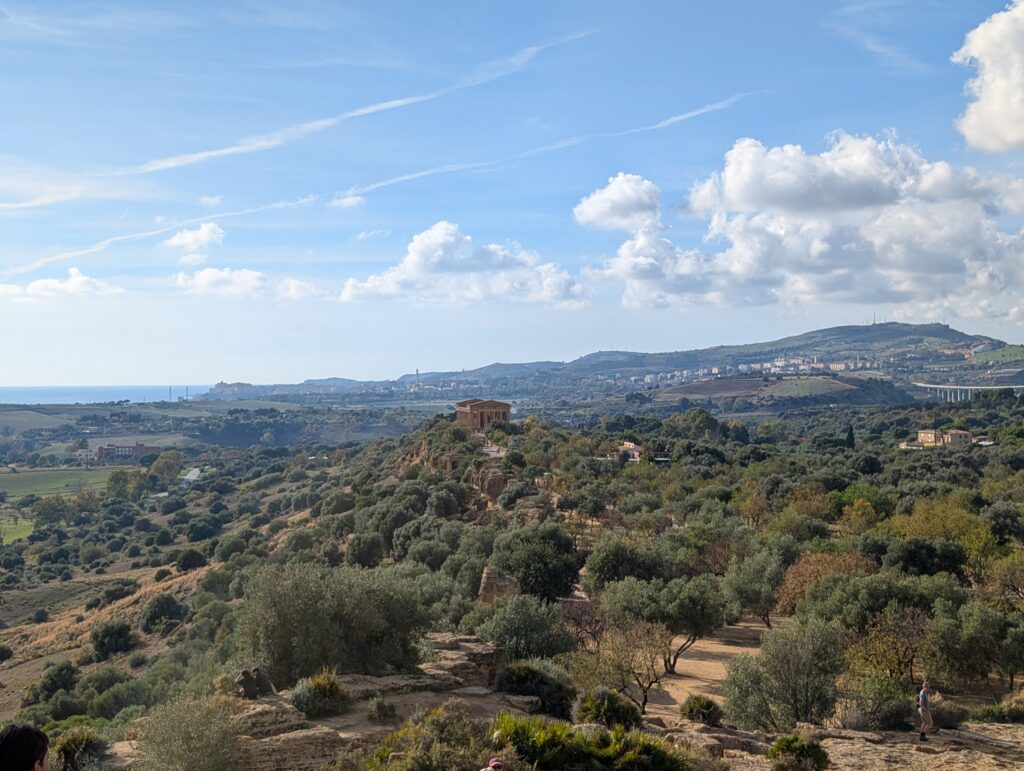 Doug Rocks-McQueen invited me to participate in a blogging carnival about the “grand challenges” of my archaeology. I meant to give this some serious thought and to write a blog entry (slowly, as is my wont) but I’ve been swarmed by a bunch of deadlines that I’m trying to keep, so instead this will be short and sweet. It will also be relatively undigested and maybe even stupid. These are not the grandest of challenges – I know that archaeologists elsewhere face much greater ones. And in a country suffering from economic recession/depression and doing its best to help refugees from drowning … Continue reading My grand challenges for archaeology
- Gender and the AIA, 2016 edition
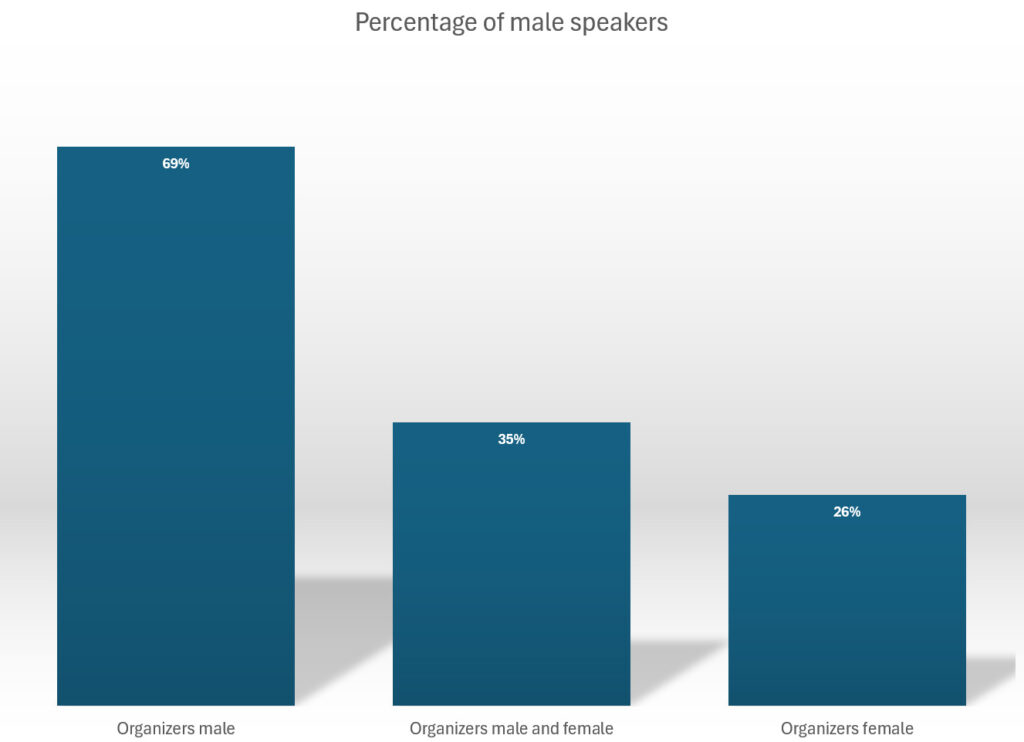 About two years ago I wrote a blog post about the gender of speakers at organized panels at the annual meetings of the Archaeological Institute of America (AIA). I found then that in panels organized by one or more men (and no women), 66% of the speakers were male; in panels organized by one man and one woman, the speakers were 50% male; and in panels organized by one or more women, 47% of the speakers were male. Prompted by a blog post written by Sarah Bond about all-male panels in ancient history (and related issues), which I would urge you all to read, … Continue reading Gender and the AIA, 2016 edition
- My sabbatical: part one
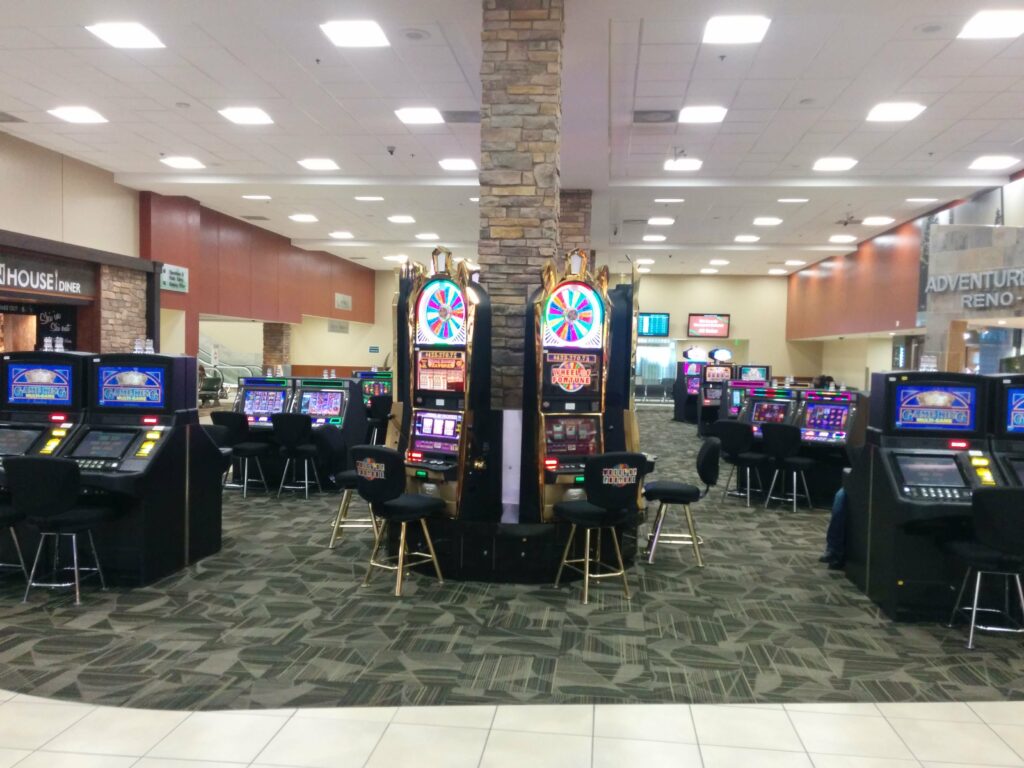 I wasn’t planning to blog about my sabbatical, but my friend Bill suggested that I do so, and because my airline was so kind as to cancel my 1 pm flight to San Francisco (where I’m going to attend the annual meetings of the AIA) and rebook me on a 6 pm flight, I’m now sitting with a coffee in the Reno airport. I have some options: work on my AIA papers, gamble (I keep hearing “WHEEL! OF! FORTUNE!” from a nearby machine), listen to some podcasts, read Marshall Sahlins’ Apologies to Thucydides (2004), etc., but I figure now is a good time to write and … Continue reading My sabbatical: part one
- Podcasting
 Over the past couple of weeks I’ve appeared as a guest on two podcasts. The first is Historically thinking, a podcast maintained by Al Zambone, a historian of the colonial American South and professor in the history department of Augustana College. I was visiting the fair quad cities on a short AIA lecture tour. You can see the talk I gave at Augustana here. The second is Caraheard, the podcast of my friends and fellow EKAS alumni, Bill Caraher and Richard Rothaus. I’ve embedded the Caraheard podcast but make sure to check out the show notes for many explanatory notes and references.
- Thinking digital archaeology
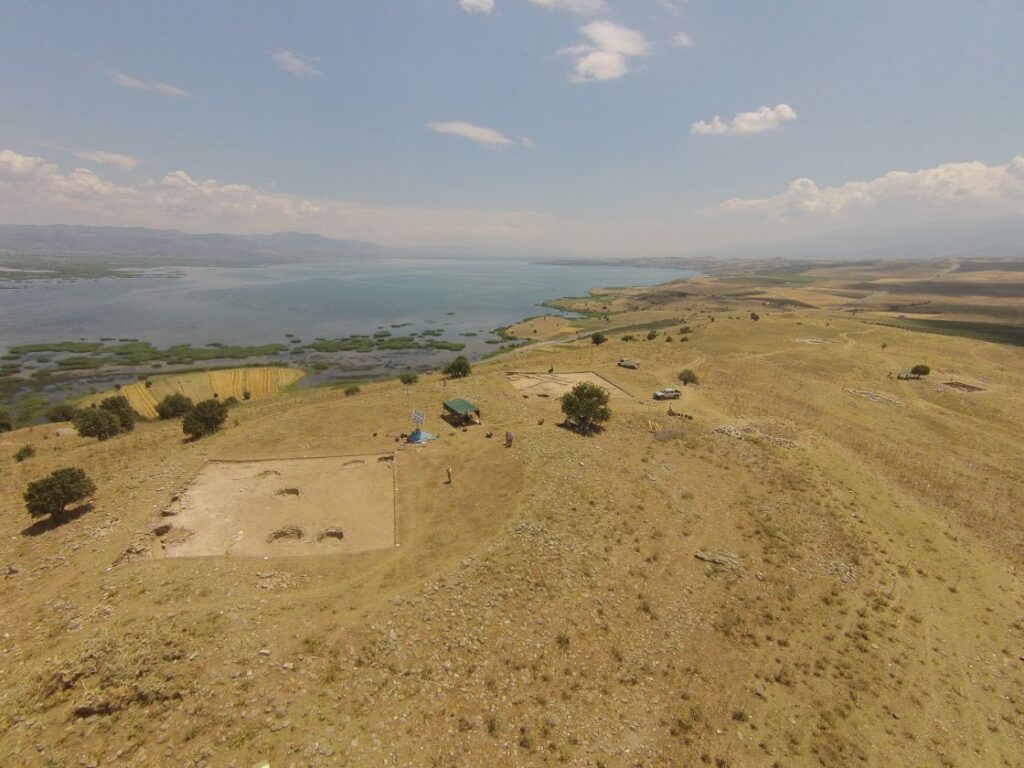 This post is prompted by a recent (and freely available) article in the Journal of Field Archaeology, “Excavation is Destruction Digitization: Advances in Archaeological Practice” by Chris Roosevelt, Peter Cobb, Emanual Moss. Brandon Olson, and Sinan Ünlüsoy. Let me begin by saying that the article is really great. What the project is doing is innovative, cutting-edge, and thoughtful. But like Bill Caraher, I worry about some of the implications of the article, a couple of issues that caused me to frown and think. Data and interpretation The authors of the article make the important point that archaeological data are produced by decisions (and interpretations) made by archaeologists in … Continue reading Thinking digital archaeology
- Carl Blegen: Personal and archaeological narratives
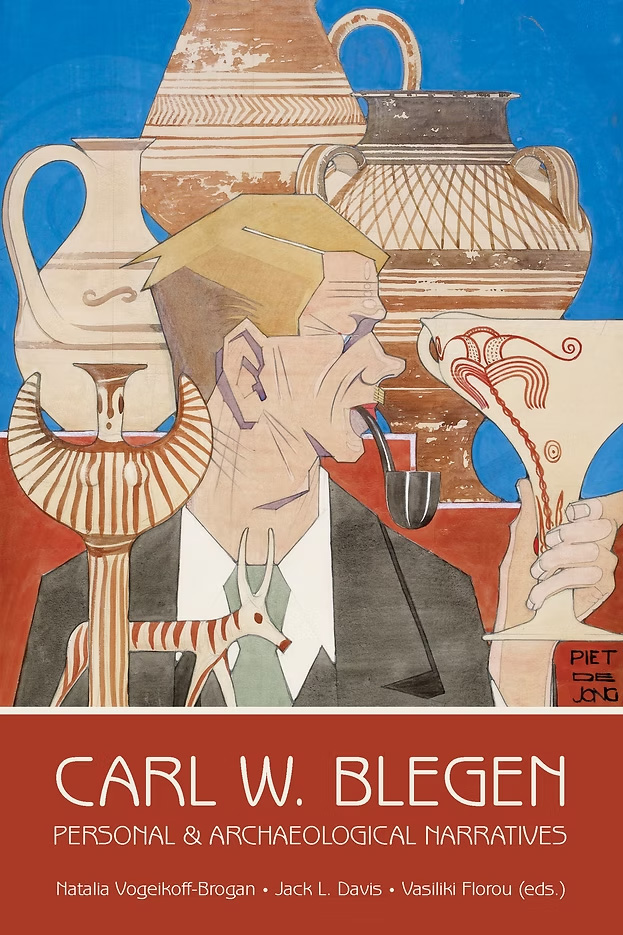 A series of flights across North America (Denver to LaGuardia to Toronto) gave me the opportunity to finally read a volume I picked up in New Orleans edited by Natalia Vogeikoff-Brogan, Jack Davis, and Vasiliki Florou about the life and work of Carl Blegen, the excavator of Pylos (among many other sites). My friend Bill Caraher already wrote some thoughts about the volume, and, like Bill, rather than write a review of the book, I just wanted to add a couple of thoughts that the various papers elicited. Archaeological teamwork Davis and Vogeikoff-Brogan emphasize that Blegen thought of archaeology as a “team enterprise” (11), and Blegen also … Continue reading Carl Blegen: Personal and archaeological narratives
- Why I like archaeological survey
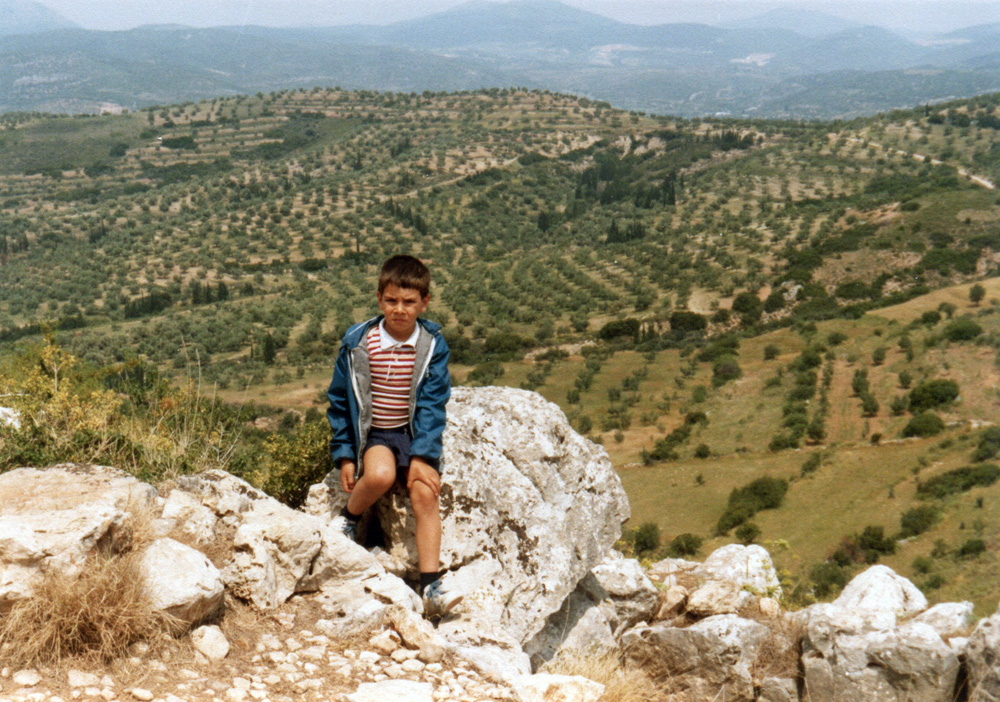 Over the past several months, a couple of different people have asked me why I like survey. My initial response is always intellectual. I talk about the importance of understand the countryside, about the urban bias of our texts and excavations, the approach of books like The Corrupting Sea, and so on. In both cases, that wasn’t the answer that the questioner wanted. What they wanted to know was, why did I like getting up before dawn to wander around the Greek countryside for six hours or more over six+ weeks? Strangely, that’s a more complicated answer. As a student, I wasn’t … Continue reading Why I like archaeological survey
- Knossos, elite strategies, and the invention of Linear B
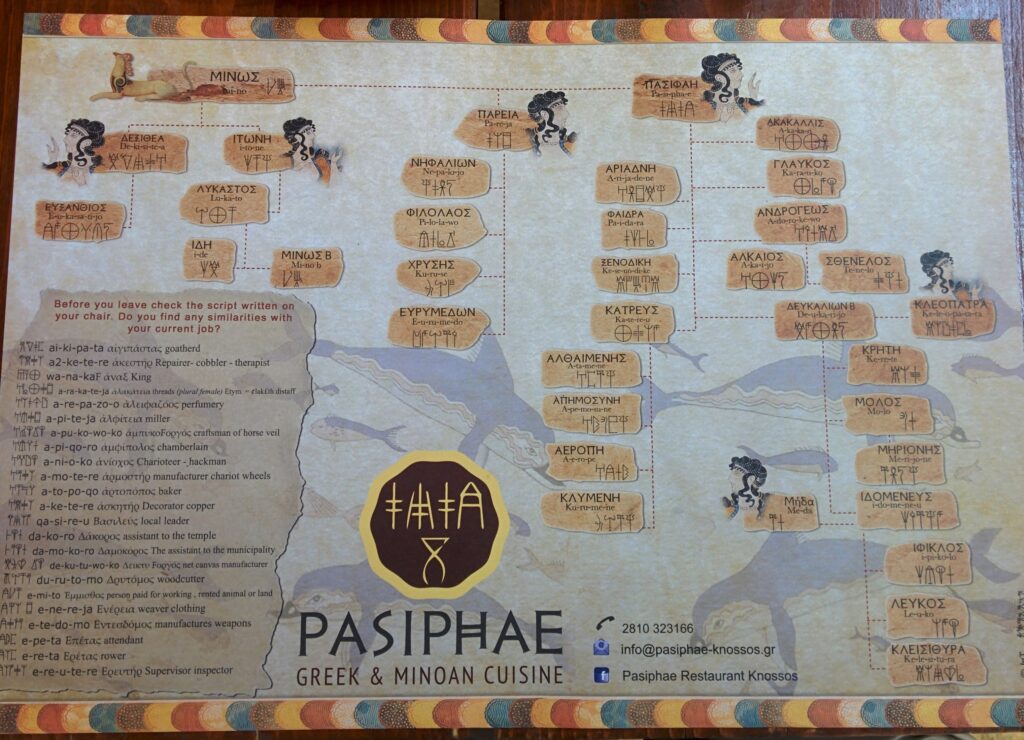 I just re-read an excellent article by John Bennet, “Now You See It; Now You Don’t! The Disappearance of the Linear A Script on Crete” in a collection of essays about the disappearance of writing systems. Bennet argues that Linear A didn’t disappear, but that it was “killed” in order to create a new script, Linear B, used to write a new language, Greek. He suggests that this was part of a major cultural realignment among the Knossian ruling elite (including those who used writing), no doubt bilingual, who chose to differentiate themselves through a range of cultural materials and practices drawing on both local and … Continue reading Knossos, elite strategies, and the invention of Linear B
- Bringing Linear B to the masses
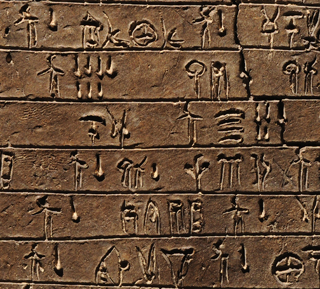 My sub-sub-specialty is Linear B, the script of the Greek mainland and Crete during the second half of the Late Bronze Age, roughly 1400-1200 BC. It’s an important little area for a couple of reasons. It’s the earliest evidence we have for the Greek language and some of the best evidence we have about the states that used the script. Among other things, it informs us about the prehistory of Greek language, religion, administration, economy, and society. It therefore has some broad appeal. But the community of scholars who work on Linear B is small and specialized, and most Classicists … Continue reading Bringing Linear B to the masses
- Time to degree and the 10,000 hour “rule”
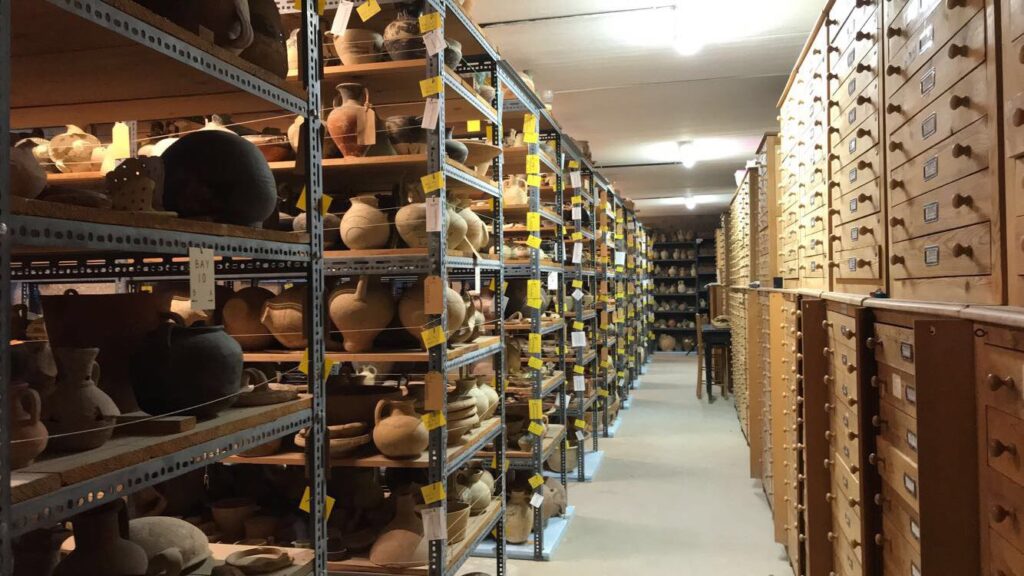 This morning over coffee I was describing the enormous amount of work that went into a mutual friend’s dissertation that I happened to be reading for professional reasons, and it reminded me of the 10,000 hour “rule” that originates from research written by Anders Ericsson and popularized by Malcolm Gladwell. Gladwell summarizes the rule as follows: … excellence at performing a complex task requires a critical minimum level of practice … In fact, researchers have settled on what they believe is the magic number for true expertise: 10,000 hours. Of course, Gladwell’s summary is simply not true. Ericsson made a much more limited claim: Our research on expert music … Continue reading Time to degree and the 10,000 hour “rule”
- Gender disparities in archaeology
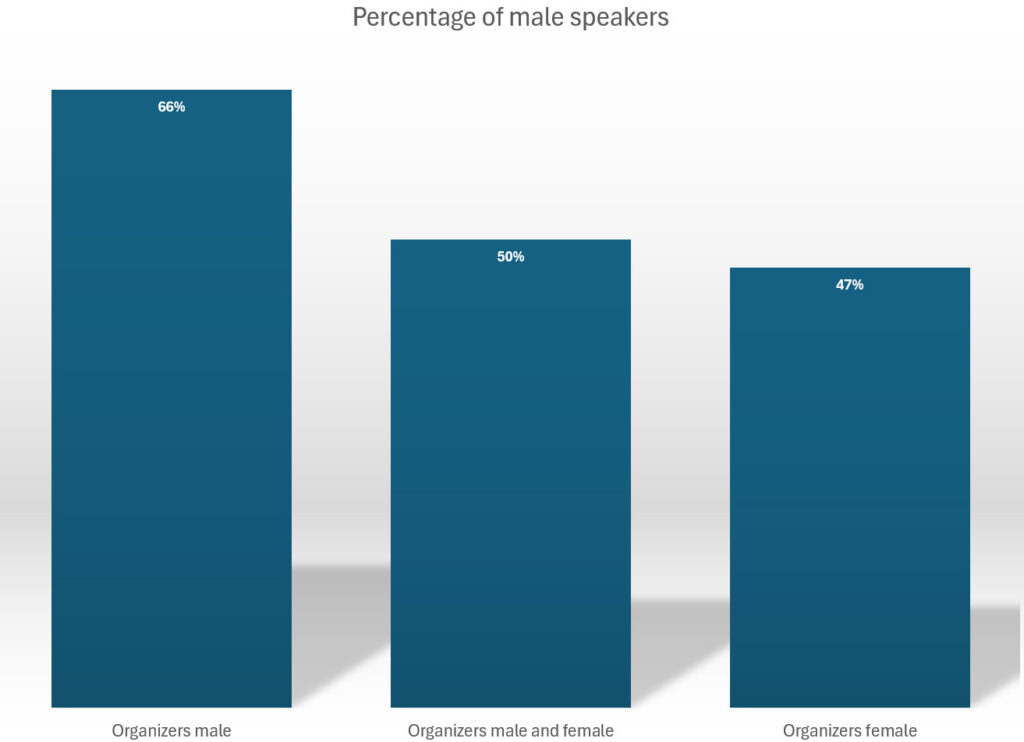 The blog Doug’s Archaeology recently had a great post about the disparities in NSF archaeology grants between men and women. Briefly, he showed that about 70% of all applications for NSF grants in archaeology are held by men. But this figure is even less than the proportion of all applications for NSF grants in archaeology that are made by men (75%). So there is a gender disparity between the proportion of applicants, but not in acceptance rates. A separate issue is the composition of panels at conferences. One study of the annual meetings of the American Society for Microbiology found that the number of women … Continue reading Gender disparities in archaeology
- Papyrus, clay, and the market
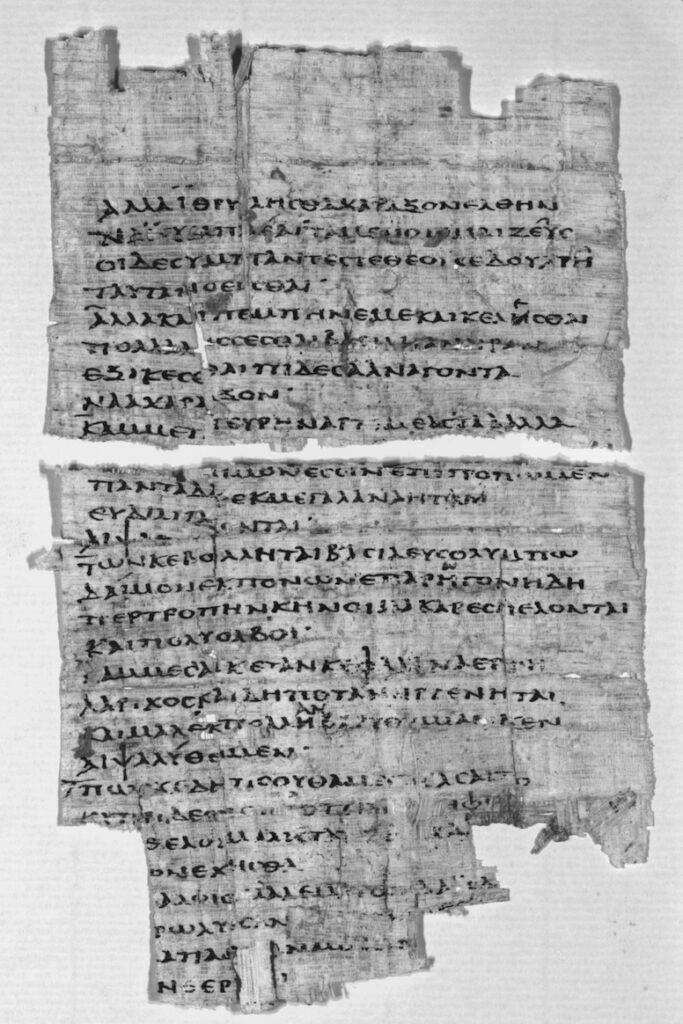 Two articles about the publication of ancient texts of unknown provenance have got me thinking about the ethical issues of publication. The first is Doug Boin’s op-ed in the New York Times about the forthcoming publication of two new fragments of Sappho, the second is Jerry Cooper’s argument on the ASOR blog for publishing cuneiform tablets that do not have a provenance. Let’s begin with the Sappho. The announcement that two new poems of Sappho had been found and that publication was imminent created a sensation both in Classics circles and in the popular press, but some people (including myself) were worried that in … Continue reading Papyrus, clay, and the market
- Homer, the Iron Age, and Materiality
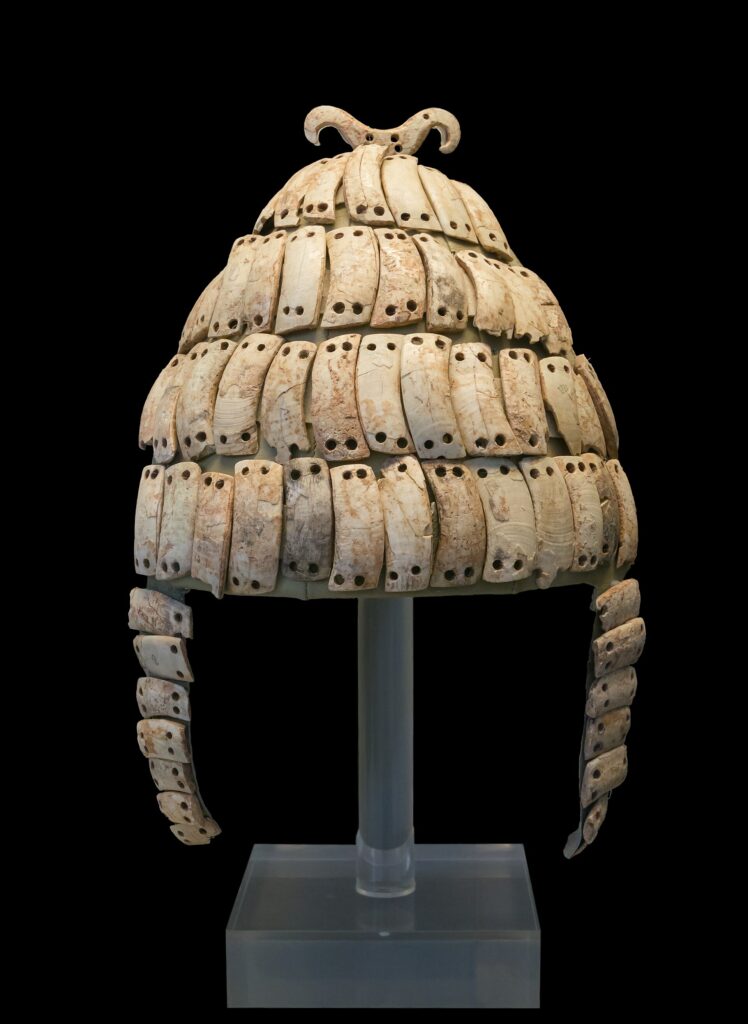 The new issue of the Cambridge Archaeological Journal contains an article by James Whitley, entitled “Homer’s Entangled Objects: Narrative, Agency and Personhood In and Out of Iron Age Texts.” Its abstract reads as follows: In recent years, material culture studies have come to embrace contemporary Melanesia and European prehistory, but not classical archaeology and art. Prehistory is still thought, in many quarters, to be intrinsically more ‘ethnographic’ than historical periods; in this discourse, the Greeks (by default) become proto-modern individuals, necessarily opposed to Melanesian ‘dividuals’. Developments in the study of the Iron Age Mediterranean and the world of Homer should undermine … Continue reading Homer, the Iron Age, and Materiality
- Reblogging Linear B in 3DI’ve written a short blog post about our work in the National Archaeological Museum this summer on the Linear B tablets from Pylos. Check it out over at Bill Caraher’s blog, the Archaeology of the Mediterranean World.
- Our AIA talk on the digital imaging of Linear B
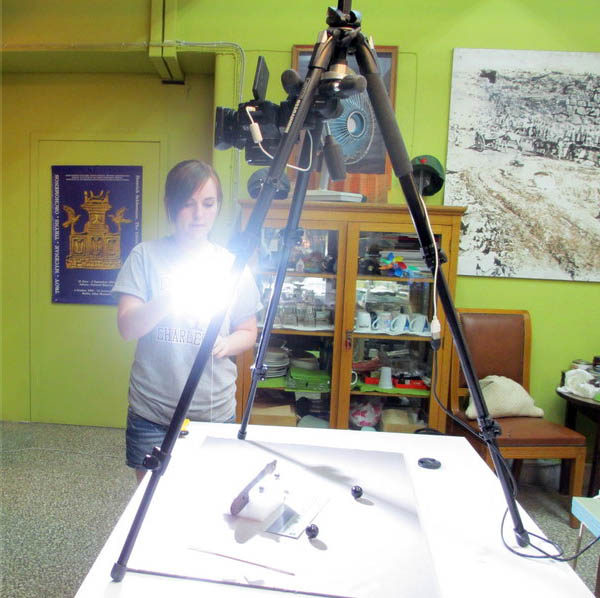 Kevin Pluta and I submitted an abstract to present a 20-minute paper at the upcoming annual meeting of the Archaeological Institute of America in Chicago (January 2-5, 2013) and we’ve just been notified that it’s been accepted. Here’s the abstract we submitted: Digital imaging of the Linear B tablets from the “Palace of Nestor” This paper presents a new project, whose goal is to create a print and digital edition of the administrative texts from the “Palace of Nestor” using advanced imaging techniques. Initiated in the summer of 2013, it is part of the official publication of the “Palace of Nestor” at … Continue reading Our AIA talk on the digital imaging of Linear B
- Sampling and collection strategies in Mediterranean survey
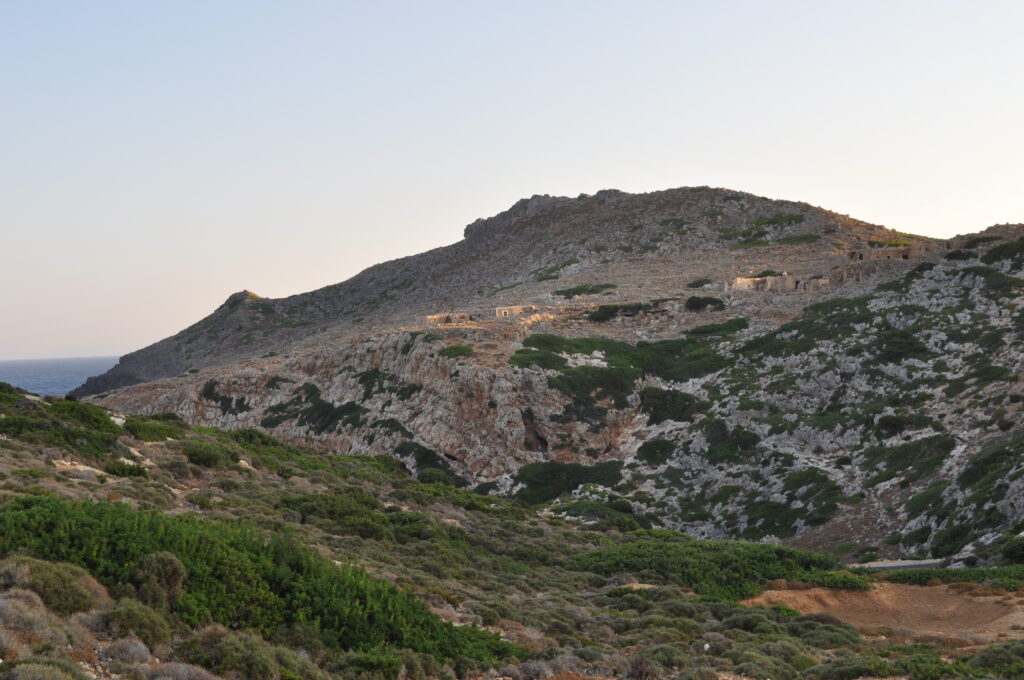 I’ve just finished reading Andy Bevan’s and James Conolly’s book on their archaeological survey of Antikythera, Mediterranean Islands, Fragile Communities and Persistent Landscapes: Antikythera in Long-Term Perspective (Cambridge University Press 2013). It is a very impressive book about a very impressive archaeological project. In two seasons, they surveyed virtually the entire island (18.58 sq km, 90% of the island’s total area) with walkers spaced fairly tightly (15 m). They collected their tract data every 10 m, so every sherd collected in fieldwalking can be located within a 20 sq m strip. There is some error involved in this, but nevertheless this is, … Continue reading Sampling and collection strategies in Mediterranean survey
- Political unity in the LBA?
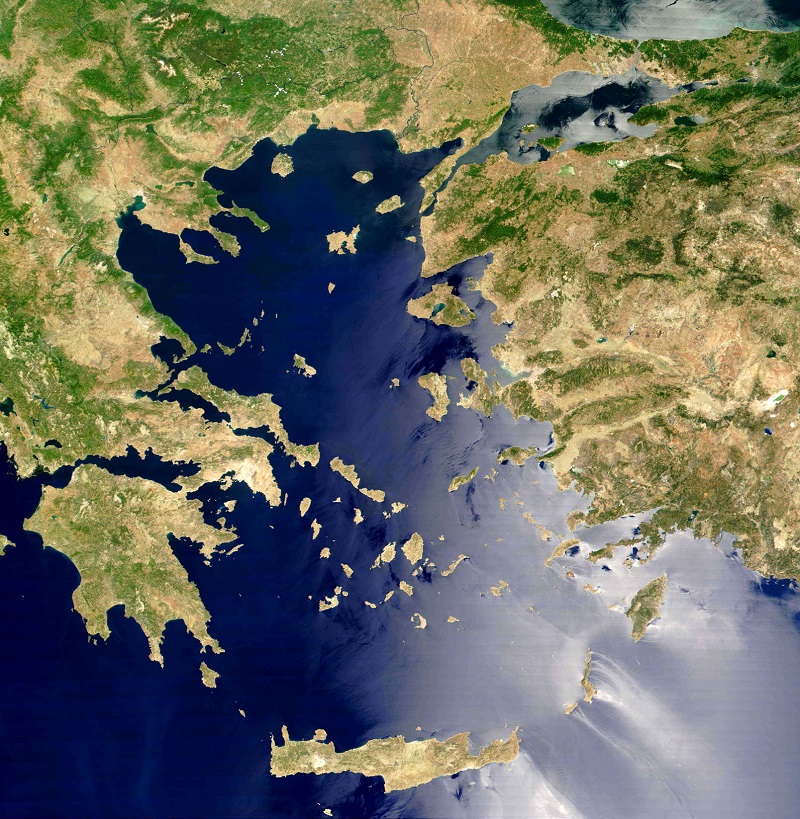 The ever-useful academia.edu (which now keeps asking me if I am interested in Roman Archaeology) brought to my attention an article by Jorrit Kelder entitled “Ahhiyawa and the World of the Great Kings: A Re-evaluation of Mycenaean Political Structures” (Talanta XLIV [2012]). The author argues in this paper that the Mycenaean world was unified into a single state ruled by a single king (the wanax) at Mycenae, while the other Mycenaean palaces were subsidiary administrative centers, each ruled by a local king (the lawagetas). The spur for this argument, which runs totally against the grain of all Mycenaean scholarship, is the fact that in Hittite diplomatic … Continue reading Political unity in the LBA?
- Reblog: Advanced imaging of the Linear B tablets from Pylos
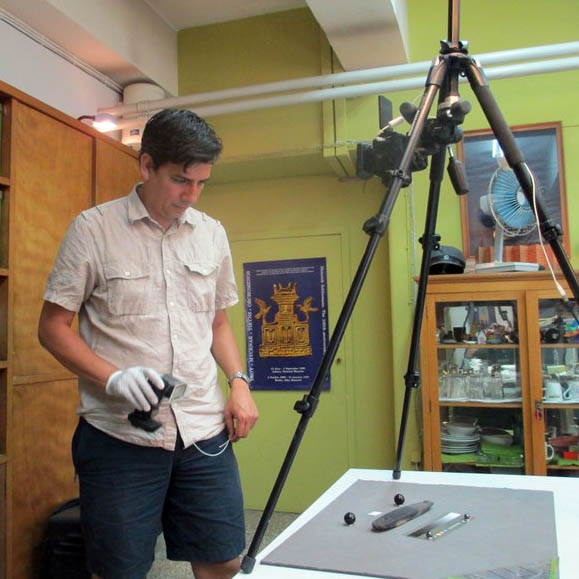 This summer I co-directed (with Kevin Pluta) a project in which we began advanced imaging (RTI and 3D scanning) of the Linear B tablets from the “Palace of Nestor” at Pylos (modern Ano Englianos). These tablets are now housed in the National Archaeological Museum in Athens. I’ve written a couple of blog posts elsewhere about the project: one for the website of the American School of Classical Studies at Athens (ASCSA), through which we applied for our permit, and another for the Archaeological Computing Research Group (ACRG) at the University of Southampton, a member of whom, Hembo Pagi, trained us in RTI. … Continue reading Reblog: Advanced imaging of the Linear B tablets from Pylos
- Climate and Collapse in the LBA Mediterranean
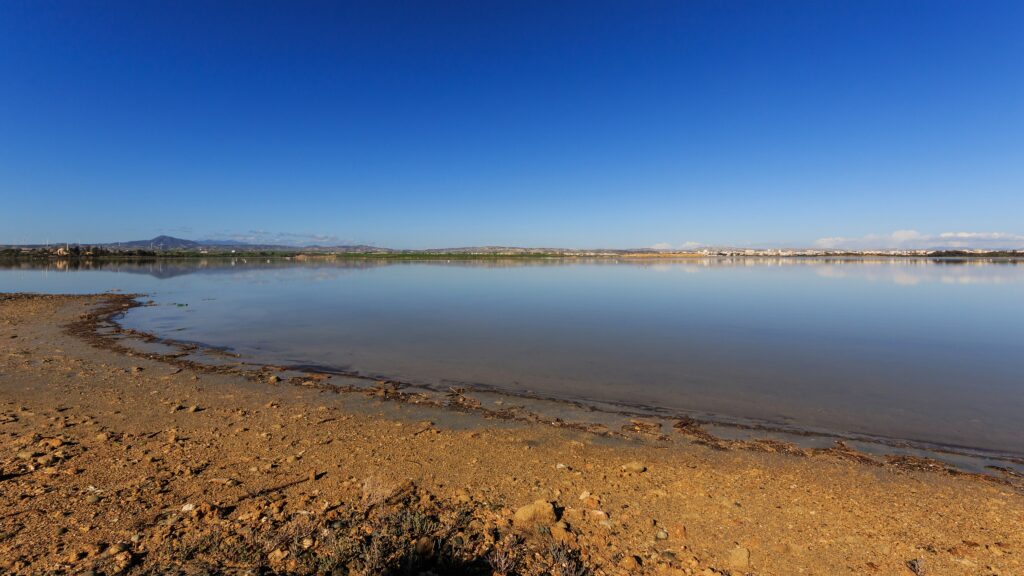 Through my Twitter feed I was recently alerted to a new article published in PLOS-ONE entitled “Environmental Roots of the Late Bronze Age Crisis“, co-authored by D. Kaniewski, E. Van Campo, J. Guiot, S. Le Burel, T. Otto, and C. Baeteman, all of whom are geologists and/or environmental scientists working in France and/or Belgium. The authors argue that the collapse of various states in the eastern Mediterranean at the end of the LBA can be attributed to an environmental stimulus, specifically a 300-year drought. The new evidence for this argument is a core from the Larnaca Salt Lake near the important LBA site of … Continue reading Climate and Collapse in the LBA Mediterranean
- Alice Kober, Aegean prehistory, and the media
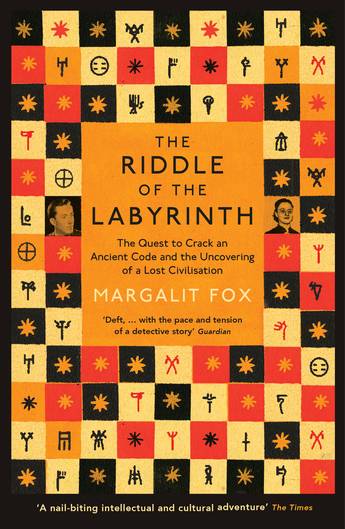 The strength of the publicity being showered on Alice Kober’s work at the moment is quite striking. The recent interest has been sparked by a new book by Margalit Fox, entitled The Riddle of the Labyrinth: The Quest to Crack an Ancient Code (Harper Collins). The book and Alice Kober’s pioneering work have been the subject of articles in the BBC, the New York Times (by Margalit Fox), and PRI’s the World. (One article that is not in the popular media but ought to be read by all prehistorians interested in Kober is this blog post). Alice Kober The evident interest in Alice Kober generated by this popular book, … Continue reading Alice Kober, Aegean prehistory, and the media
- Geography and a Greek “culture of freedom”?
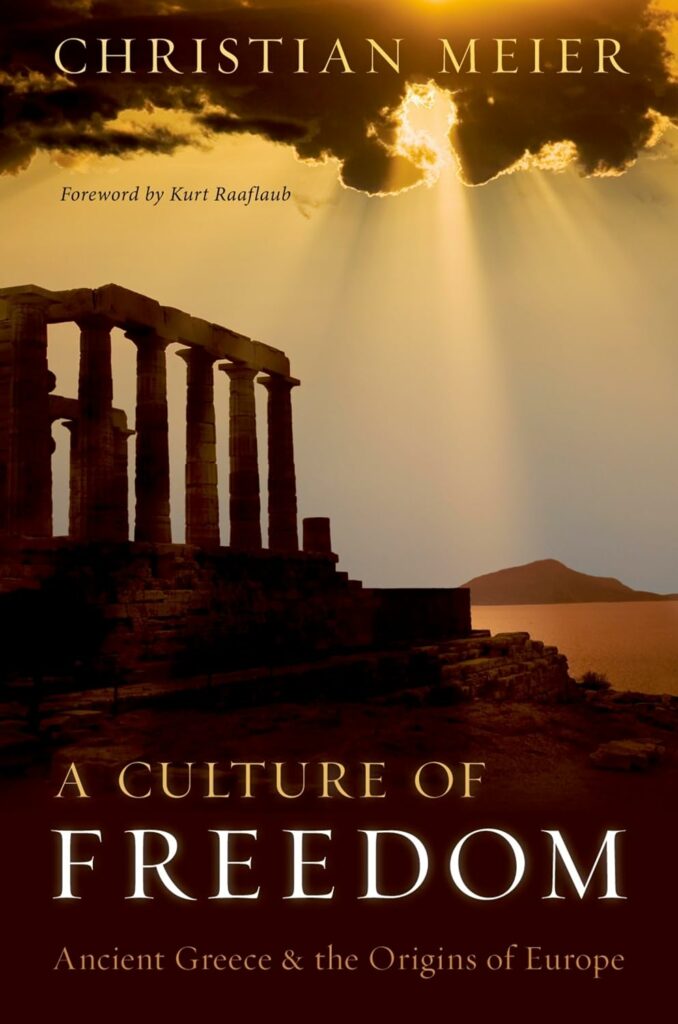 I recently had the opportunity to begin reading Christian Meier’s “A Culture of Freedom: Ancient Greece & the Origins of Europe” (Oxford University Press 2011), a translation of the first two parts of his seven-part history of Europe. Several reviews of the book have already come out in academic journals (CJ, CP) and in the popular press (THES, WSJ). The book seeks to answer “how the Greeks came about… how they developed into a culture that was so different from all the other magnificent high cultures that emerged before and beside them in world history.” (286) The answer, not surprising given the title, is freedom: … Continue reading Geography and a Greek “culture of freedom”?
- Place and memory
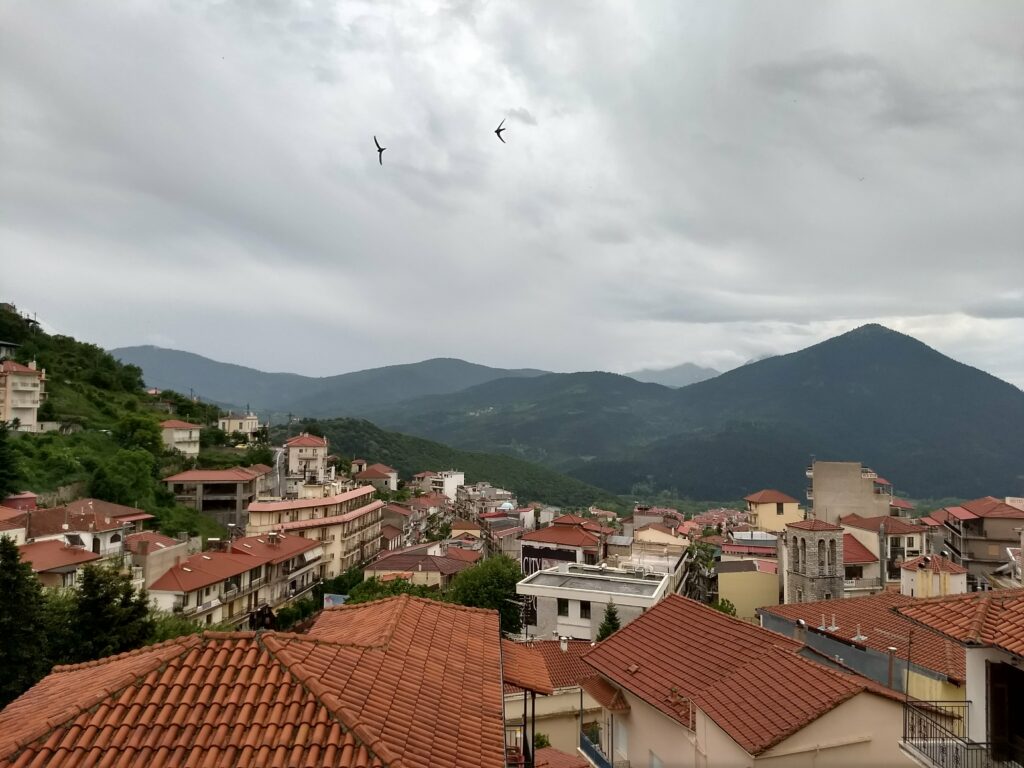 I’m currently reading Janice Kulyk Keefer’s fantastic memoir, Honey and Ashes. It’s a memoir of an immigrant family in Toronto, full of stories from the Old World, stories that revolve around her grandparents, her mother and her aunt, in the western Ukraine. Those stories were about a world that felt in some ways far more real to her than the Toronto in which she grew up. Her book reminds me of my own relationship to my grandparents and their stories. On the one hand, I wish that I had paid more attention to their stories so that I could recall them … Continue reading Place and memory
- Bathing in the Bronze Age
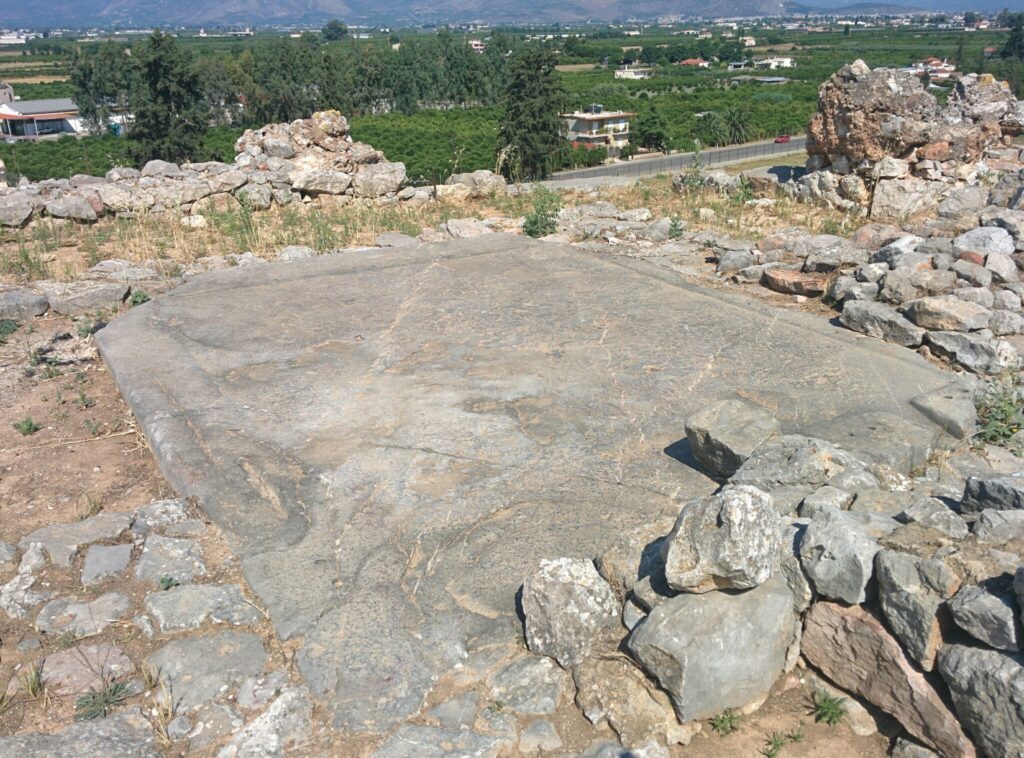 One of the features I like best about Bill Caraher’s blog are his discussions of journal articles. This is, it seems to me, something that’s extraordinarily useful and easy to do in a blog, but doesn’t find easy expression in other media. Recently I read Joe Shaw’s “Bathing at the Mycenaean Palace of Tiryns” in the American Journal of Archaeology (2012). In the article, Shaw reconstructs the room with the “bathing slab” in the Mycenaean palace at Tiryns, shown here: Shaw shows that the drilled sockets anchored a wooden bench with wooden panels underneath that slotted into wooden vertical supports. He reconstructs the bath … Continue reading Bathing in the Bronze Age
- Farm fragmentation in modern Greece
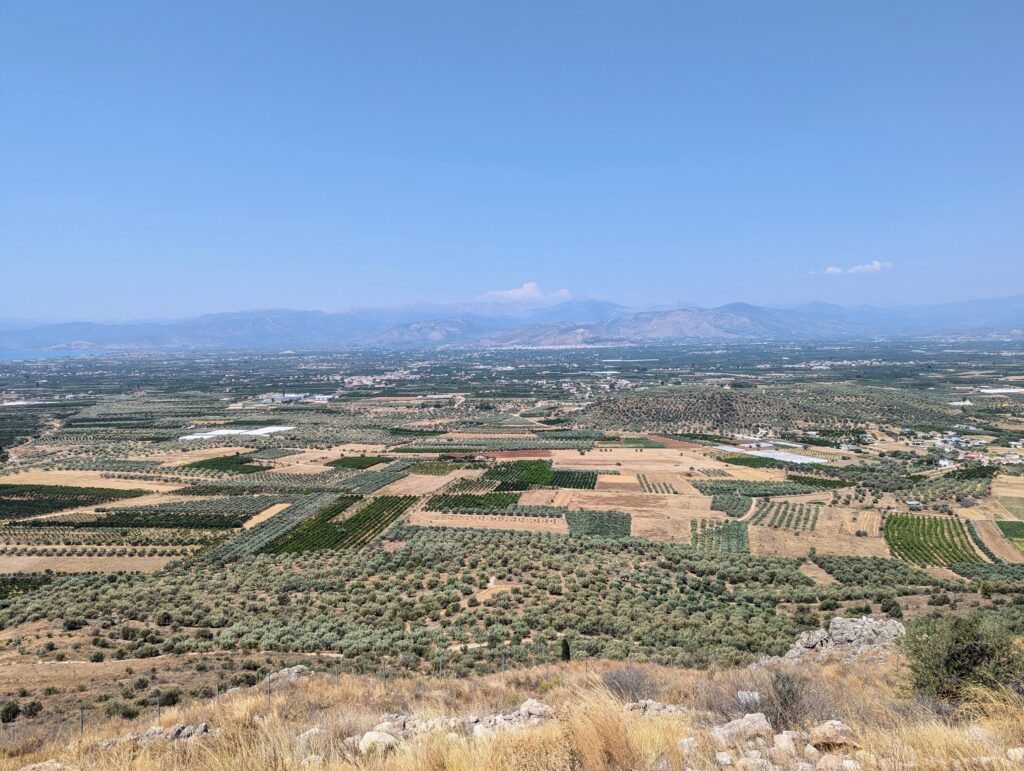 Viewed from a vantage point, and in the clarity of its celebrated light, the Greek landscape contains much to charm and interest the observer. But in the mundane aspects of its agriculture, many imperfections may be detected including such features as primitive farming techniques, meager crop stands, insufficient fencing, and neglect of the principles of soil conservation. Most striking, perhaps, is the fact that the arable land generally presents the aspect of an intricate mosaic of tiny fields set in a matrix of roads, paths, and field divisions. More careful study of the landscape reveals a grossly anomalous pattern of proprietorship since the minuscule, awkwardly-shaped fields (perhaps better termed plots) are rarely … Continue reading Farm fragmentation in modern Greece
- Debt, patriarchy, and Hesiod
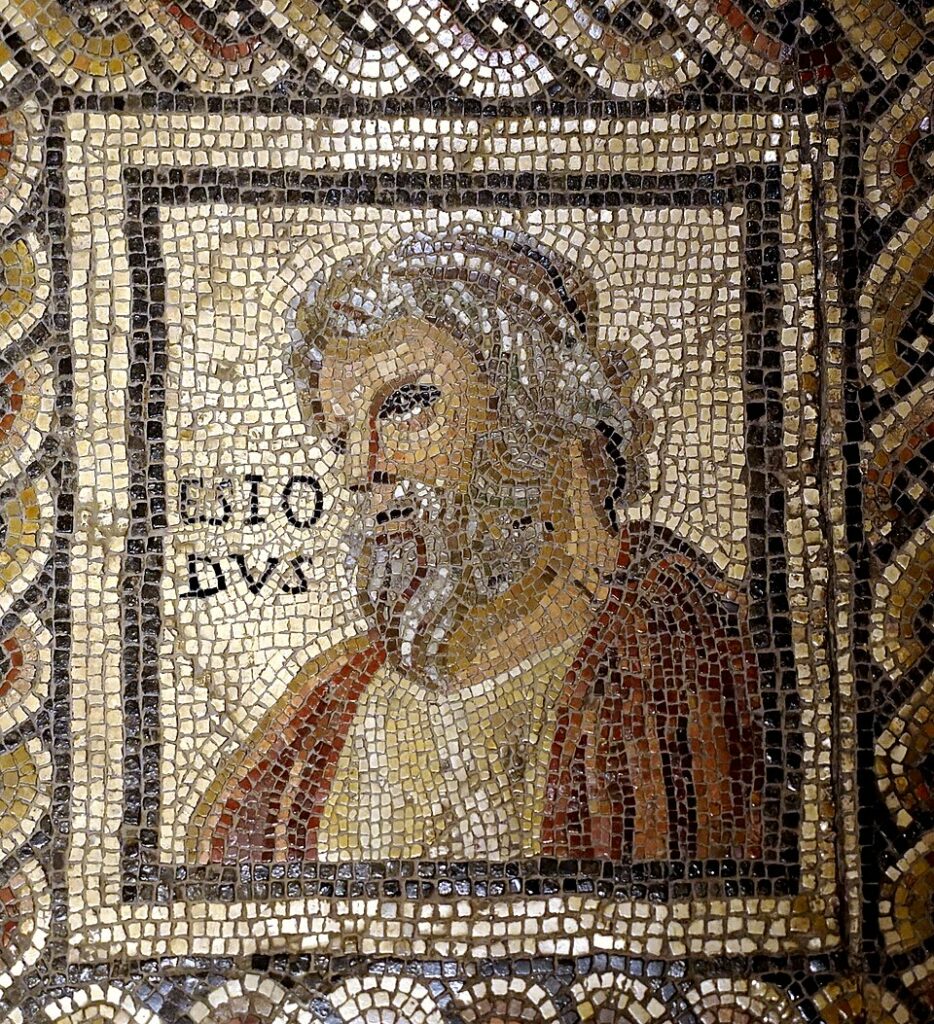 Thanks to the guys over at Savage Minds, I picked up and started reading David Graeber’s Debt: The First 5,000 Years, and increasingly, talking about it to anyone who will listen. Graeber’s book is really good, very interesting and thought-provoking, and it’s given me lots of ideas. Today, while waiting in line for a burger, I came across a section in the book where Graeber makes an argument for the origins of patriarchy. He argues that anxieties about the sexual propriety of women emerge when human economies become increasingly commercial. A human economy is one where money is “used to arrange marriages and settle affairs … Continue reading Debt, patriarchy, and Hesiod
- Blegen’s notebooks from Korakou
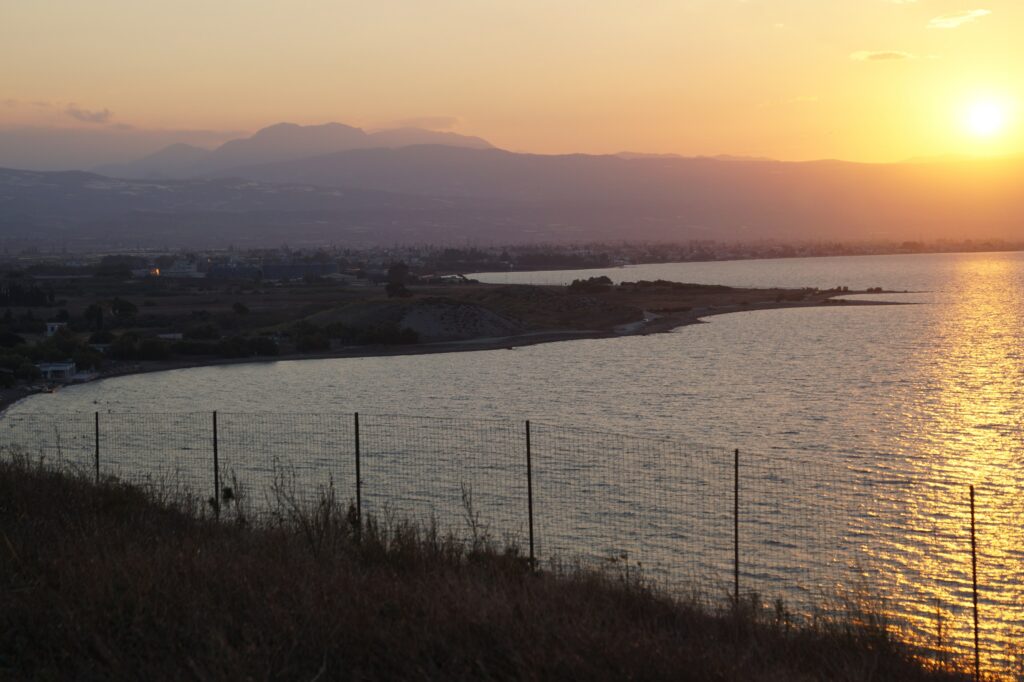 This is the first post of a blog dedicated to my research interests, which center on the archaeology and scripts of the Aegean Bronze Age. The name of the site, Englianos, is the modern toponym where Carl Blegen excavated the “Palace of Nestor.” This site, which was called Pylos in the Late Bronze Age, is the source for some 1000 inscribed clay documents whose study formed the basis for my doctoral dissertation. Prior to excavating LBA Pylos, Blegen excavated at a number of other prehistoric sites in the Peloponnese, one of which is Korakou. This site, located on the bluffs overlooking the … Continue reading Blegen’s notebooks from Korakou
